
Disclaimer: This project was created as part of a university research assignment and is intended for educational purposes only. It is not a real-world or commercial piece and was not developed for sale or public use.
This project is called Cultura. While writing my thesis on culture in multinational corporations’ graphic design strategies, I realised that all the individuals I was quoting wrote these theories over 10 years ago. What if people don’t value culture anymore? What if we don’t care about maintaining cultural heritage like we did in the past?
[Quick overview of project]
[MY RESEARCH QUESTION]
‘Unveiling cultural schema in multinational corporation’s graphic design strategies.’

Cultural schema is a theory that explains how people organize and process information about events and objects in their cultural environment. According to the theory, individuals rely on schemas to understand and make sense of the world around them.
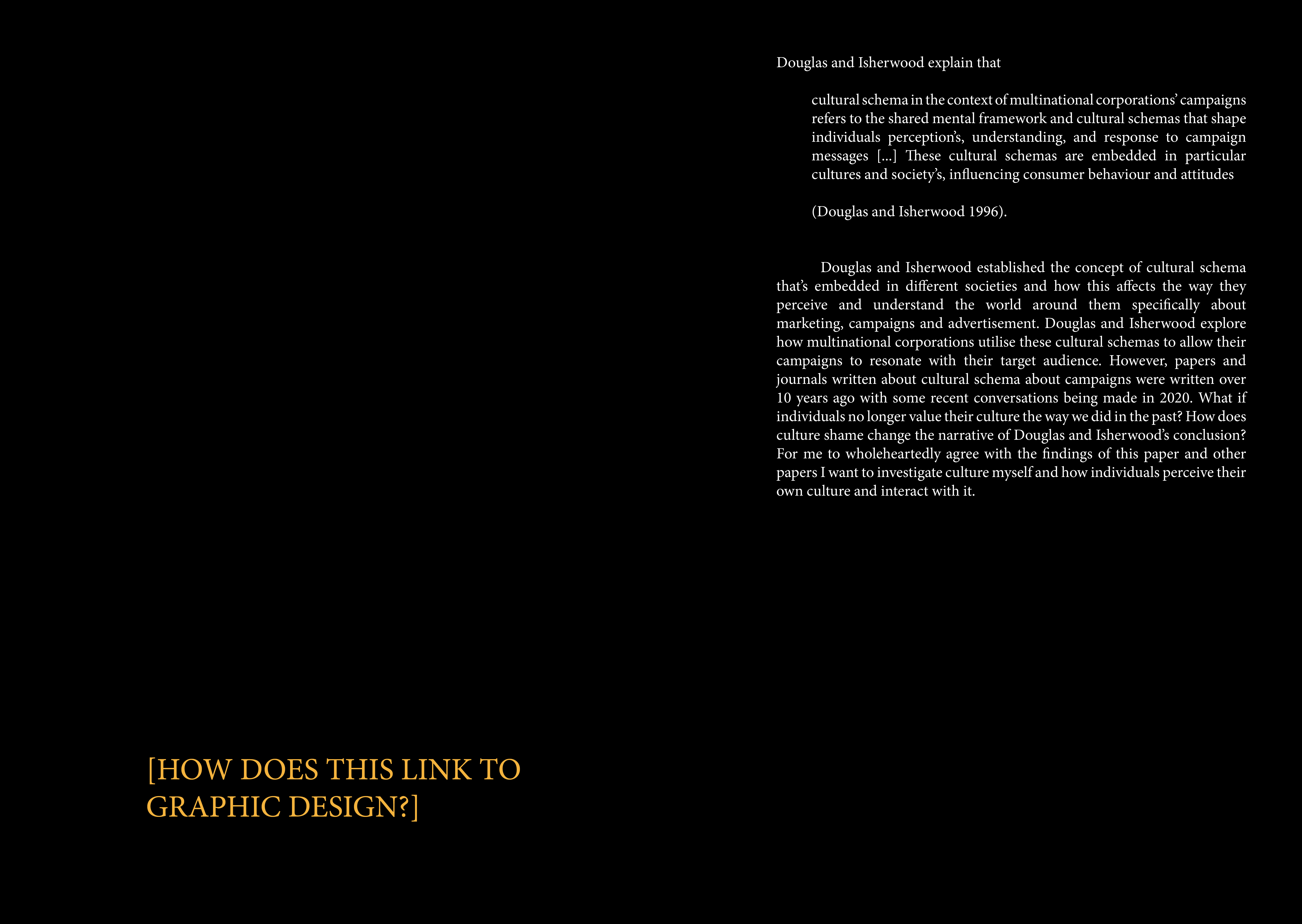
Douglas and Isherwood explain that:
cultural schema in the context of multinational corporations’ campaigns refers to the shared mental framework and cultural schemas that shape individuals perception’s, understanding, and response to campaign messages […] These cultural schemas are embedded in particular cultures and society’s, influencing consumer behaviour and attitudes
(Douglas and Isherwood 1996).
Douglas and Isherwood established the concept of cultural schema that’s embedded in different societies and how this affects the way they perceive and understand the world around them specifically about marketing, campaigns and advertisement. Douglas and Isherwood explore how multinational corporations utilise these cultural schemas to allow their campaigns to resonate with their target audience. However, this papers was written over 10 years ago with some recent conversations being made in 2020. What if individuals no longer value their culture the way we did in the past? How does culture shame change the narrative of Douglas and Isherwood’s conclusion? For me to wholeheartedly agree with the findings of the papers i was using I wanted to investigate culture myself and how individuals perceive their own culture and interact with it.

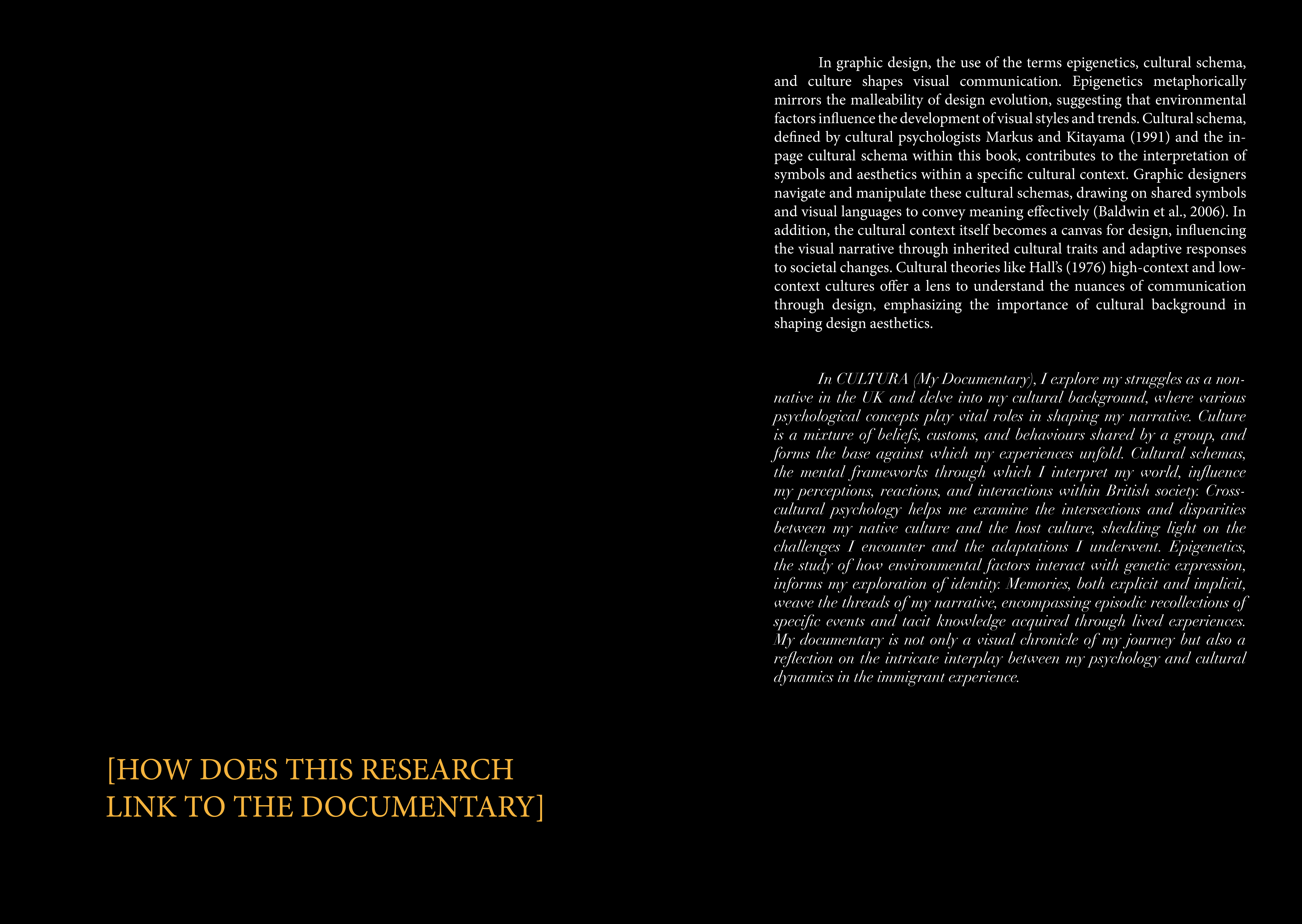
In graphic design, the use of the terms epigenetics, cultural schema, and culture shapes visual communication. Epigenetics metaphorically mirrors the malleability of design evolution, suggesting that environmental factors influence the development of visual styles and trends. Cultural schema, defined by cultural psychologists Markus and Kitayama (1991) explain that cultural schema contributes to the interpretation of symbols and aesthetics within a specific cultural context. Graphic designers navigate and manipulate these cultural schemas, drawing on shared symbols and visual languages to convey meaning effectively (Baldwin et al., 2006). In addition, the cultural context itself becomes a canvas for design, influencing the visual narrative through inherited cultural traits and adaptive responses to societal changes. Cultural theories like Hall’s (1976) high-context and low-context cultures offer a lens to understand the nuances of communication through design, emphasizing the importance of cultural background in shaping design aesthetics.
But do individuals value their culture?
This is what I wanted to investigate within this project ‘CULTURA’
THIS PROJECT IS BROKEN DOWN INTO TWO PARTS HOW OTHER VIEW THEIR CULTURE AND HOW I VIEW MY OWN.

PART ONE
How other’s view their culture.
Part One
The Data Book – Research
Poster’s
Questioner
Conclusion
The Research









The Posters and result’s
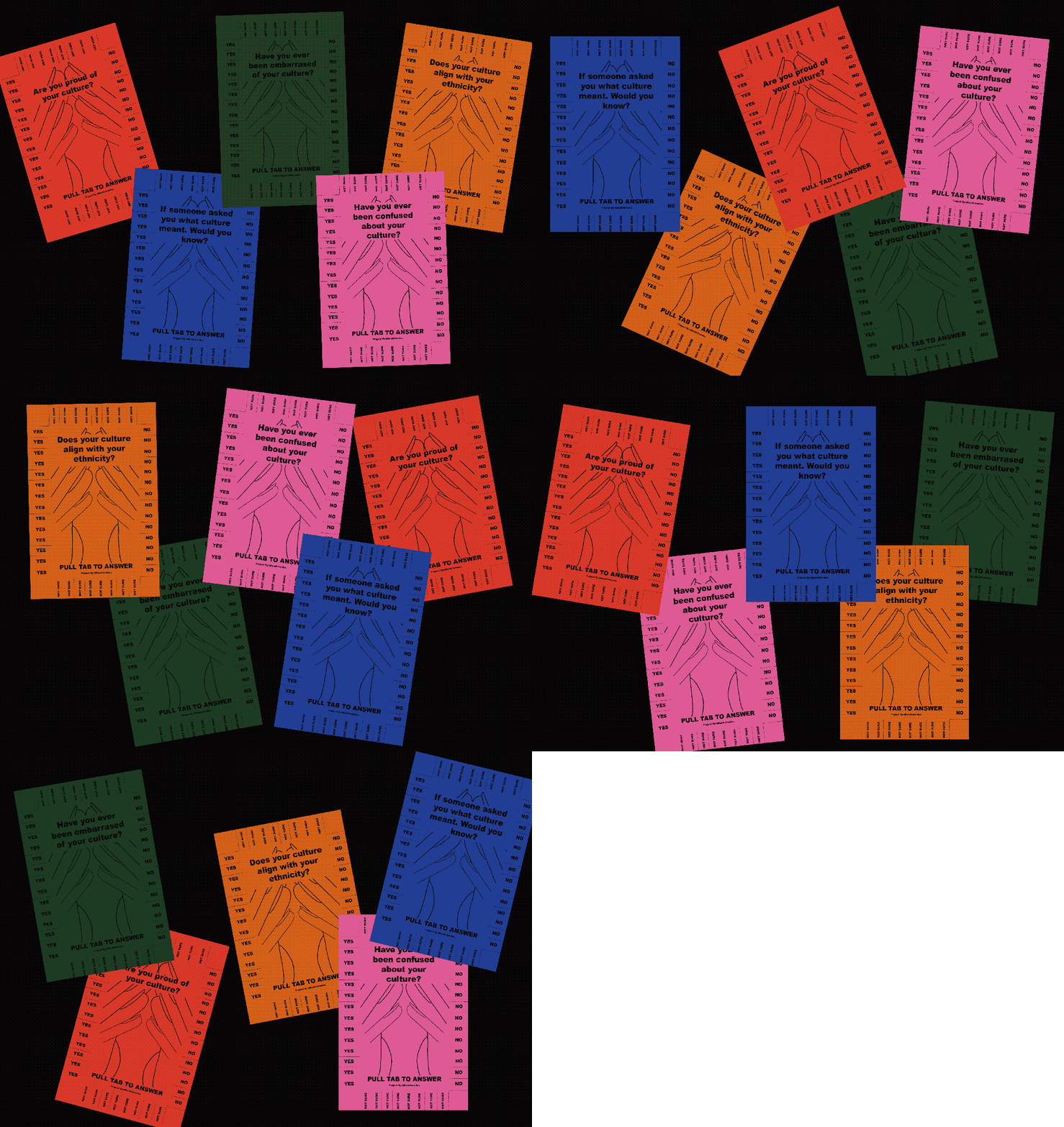
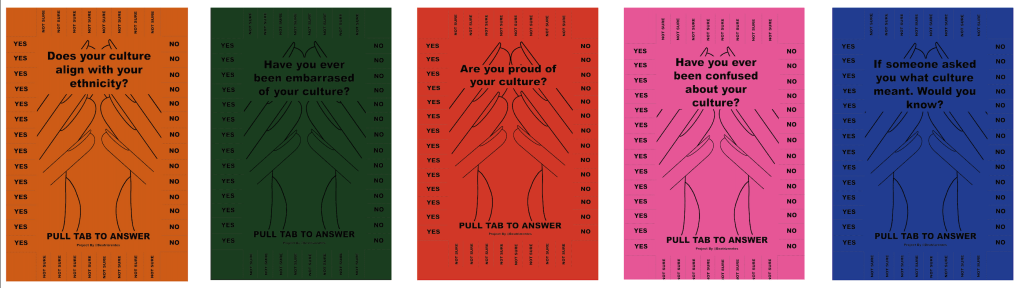
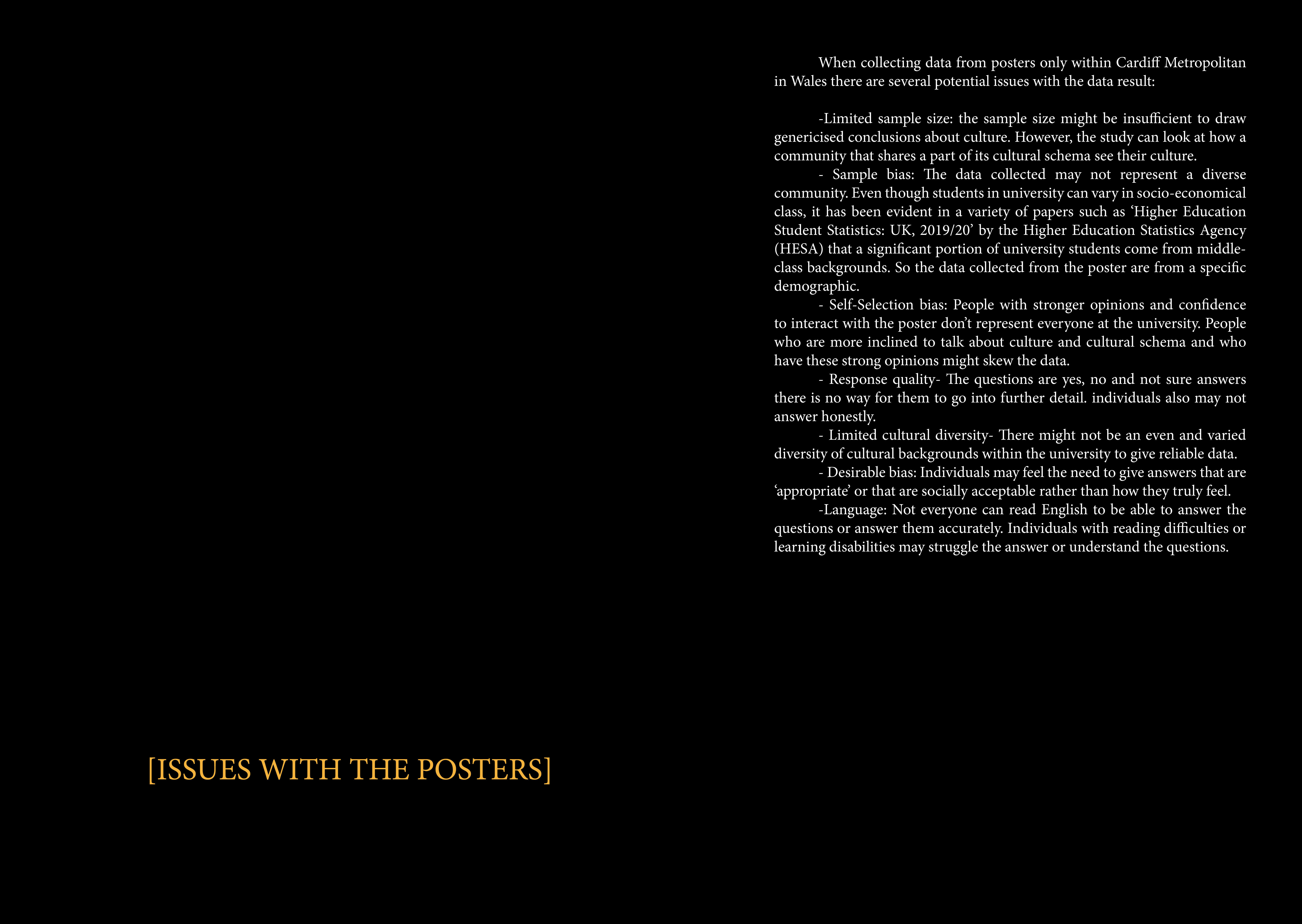
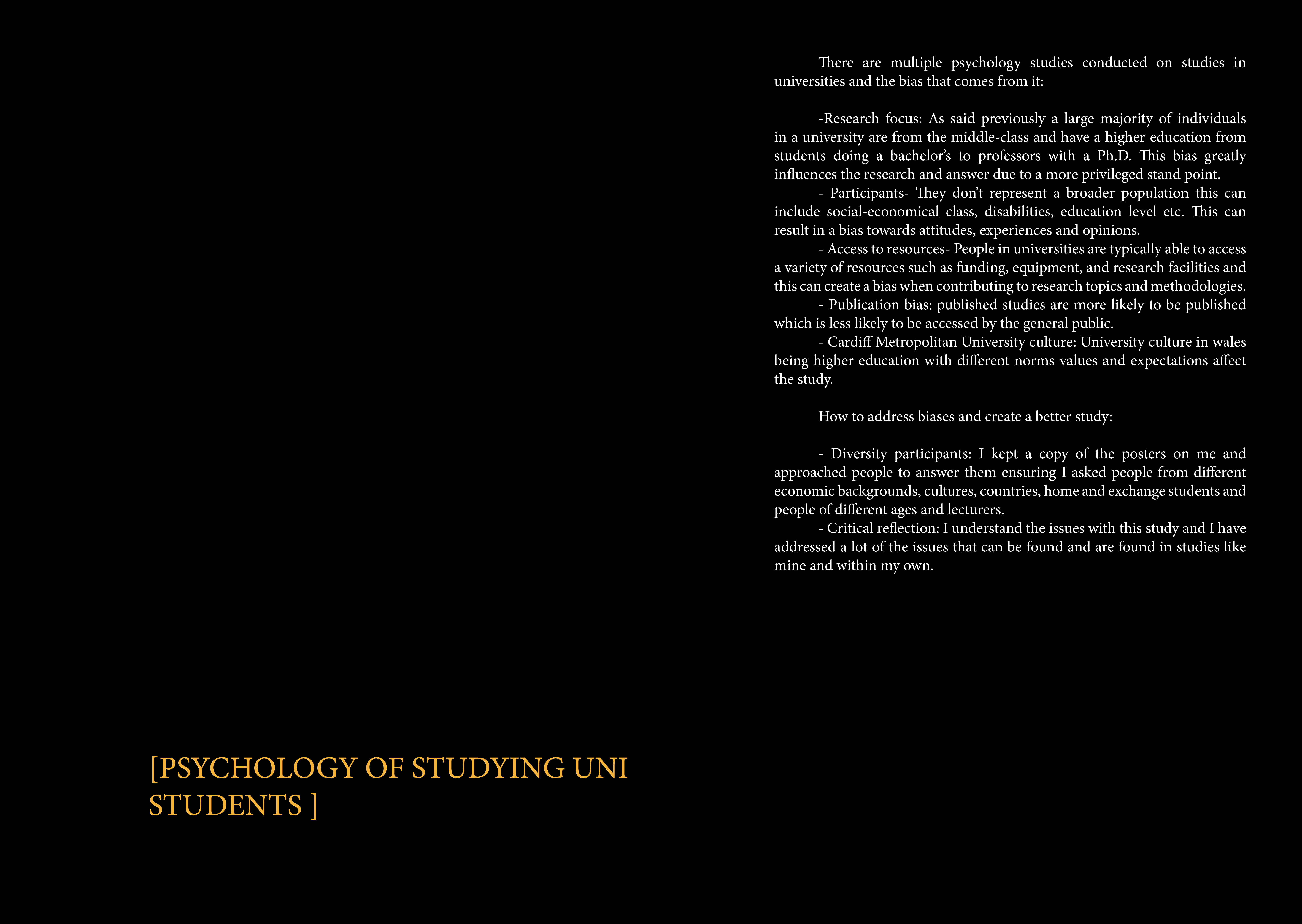
For Part 1 i designed and printed five posters. These were placed around Cardiff met, Llandaff Campus. One of each poster being placed in Group One (N, M &B block), Group Two (A, C, D, E & F block), Group Three (O block) and Group Four (T, L & P block).
According to Wagoner cultural schemas are ‘heterogeneous, systemic, and changing patterns of activity mediated both by individual and group processes as well as by material objects. Furthermore, any society must be conceptualized in time, existing in a state of tension between stability and change, conservation and construction’ (Wagoner, B 2017). This means that Cardiff Met,Llandaff Campus is a form of society/group so by placing these posters around this area there is still a consistent cultural schema shared by the people that will be taking part. In addition, they are all a part of the university. It did not matter if it wasn’t just students I wanted anyone within the university body to take part.









The research showed that individuals in Cardiff Metropolitan have an awareness and pride in their culture. They have a strong understanding of their culture and experience overall minimal instances where they are confused, embarrassed or ashamed of their culture. In addition, their culture predominantly reflects their ethnicity. But the posters also uncovered a lot of cultural shame and confusion among the community within Cardiff Metropolitan University.
In the numbers you see here it doesnt seem that drastic but if you look at the number in the booklet at each seperate deparmtent within the school thats where you see this shame occuring within specific groups.
However, although these are positive results, a question arose: what if there are individuals who don’t know what culture means and are answering these questions? Potentially misconstruing the question and affecting the results. This is what led me to create the questionnaire that allows individuals to answer each question in more depth and at a global and more diverse scale not just people at Cardiff Met..
The Questioner and result’s
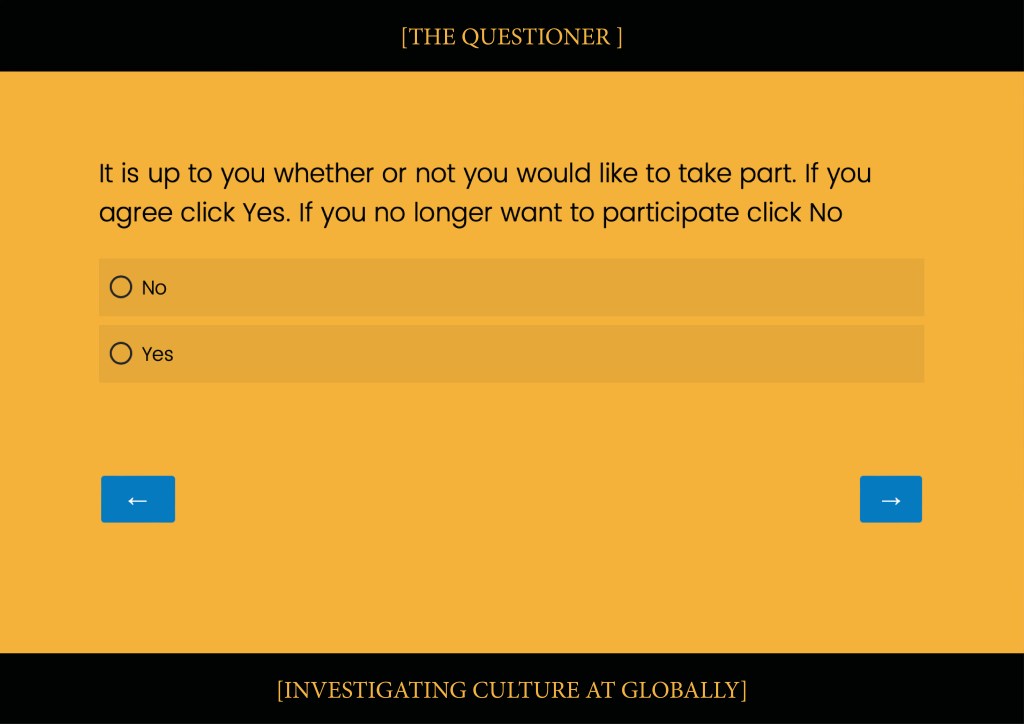
CLICK HERE TO TAKE PART





















The responses collected from the questionnaire addressing the importance of culture reflect a rich tapestry of perspectives, experiences, and emotions. While there is no singular consensus, the diversity of opinions underscores the multifaceted nature of cultural identity and its significance in shaping individuals’ lives.
Many respondents expressed pride in their cultural heritage, highlighting the sense of belonging, tradition, and shared values it provides. For some, culture serves as a source of strength, identity, and community connection. Others emphasised the importance of cultural awareness and appreciation in fostering inclusivity and mutual respect within diverse societies.
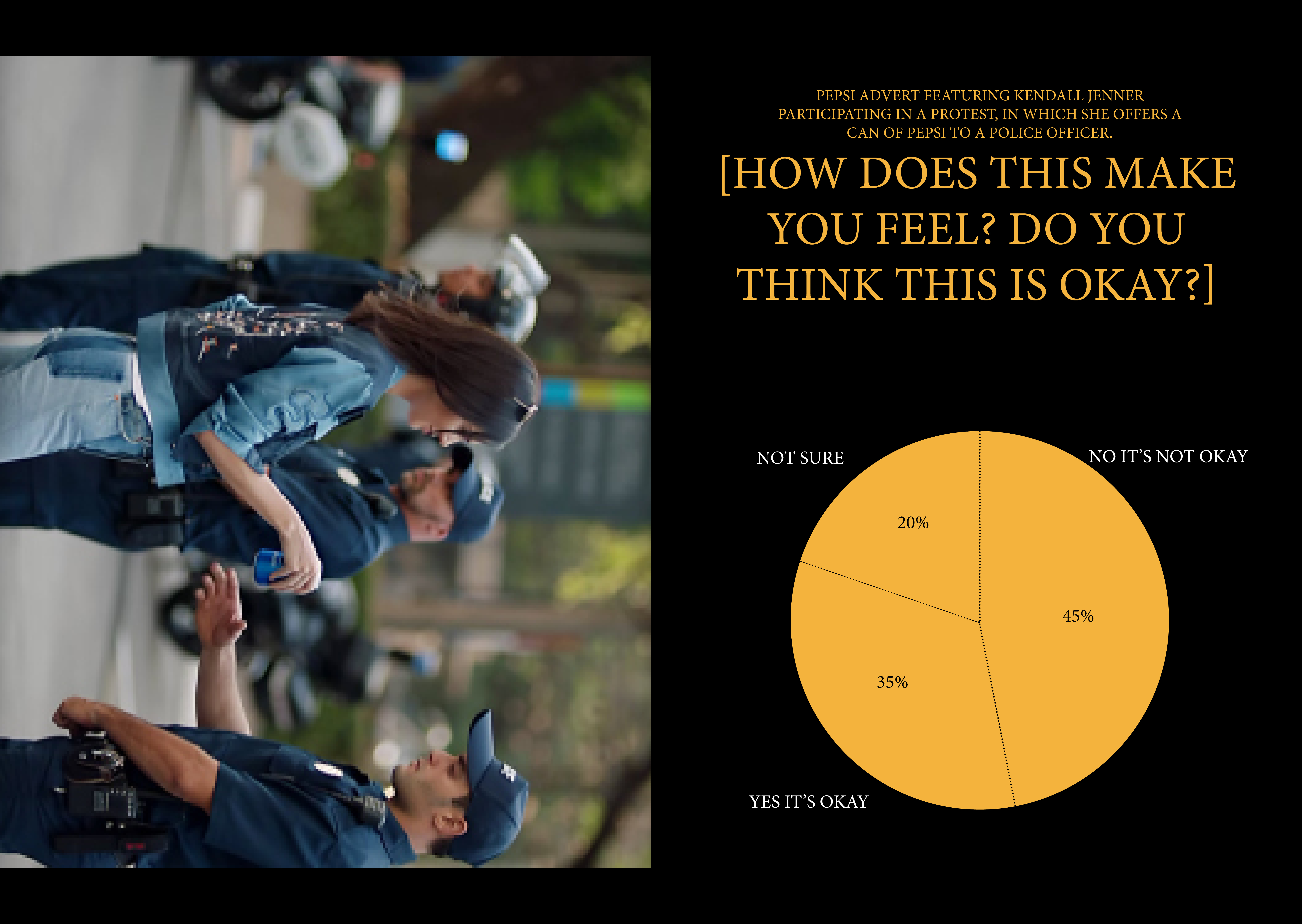
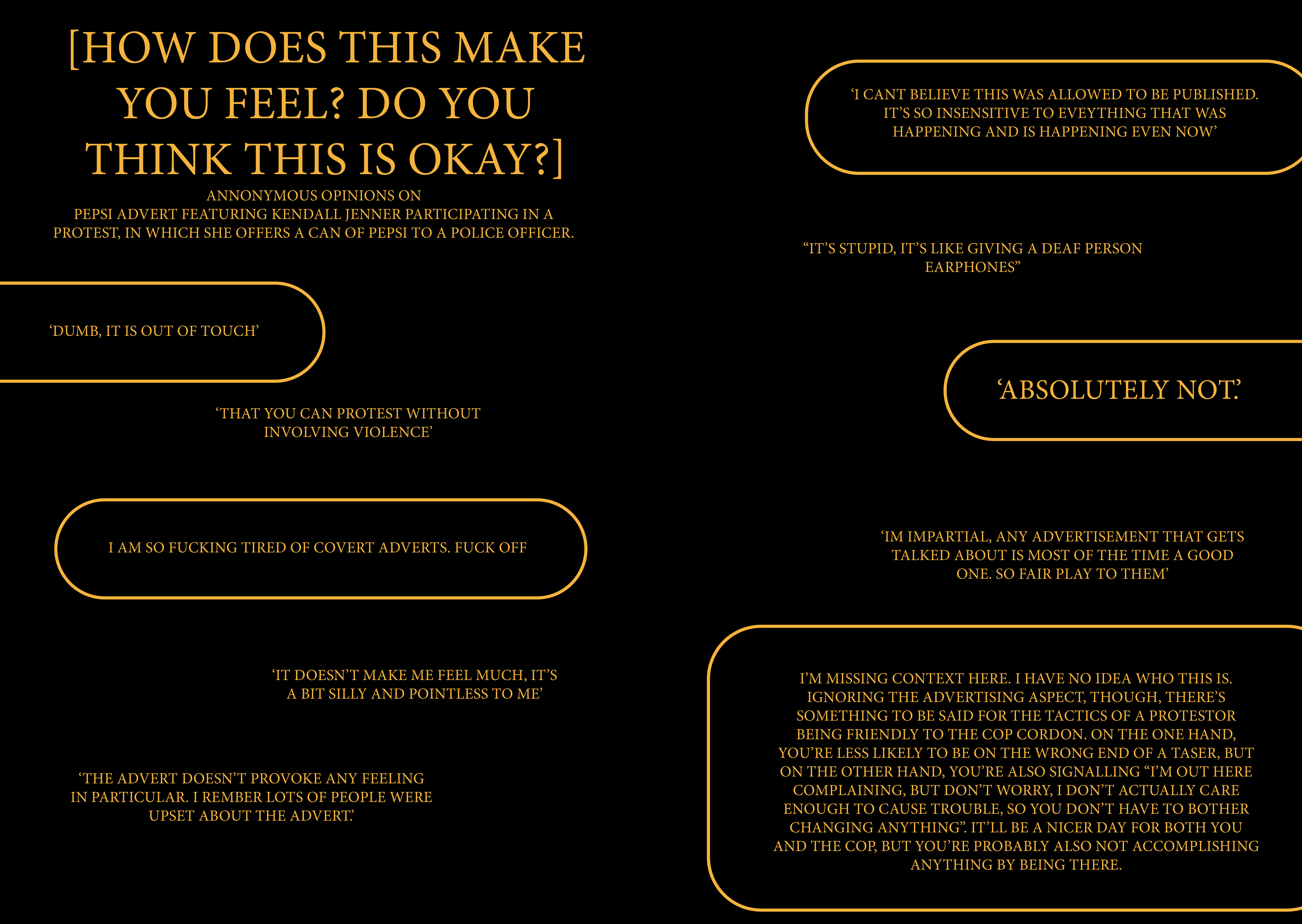
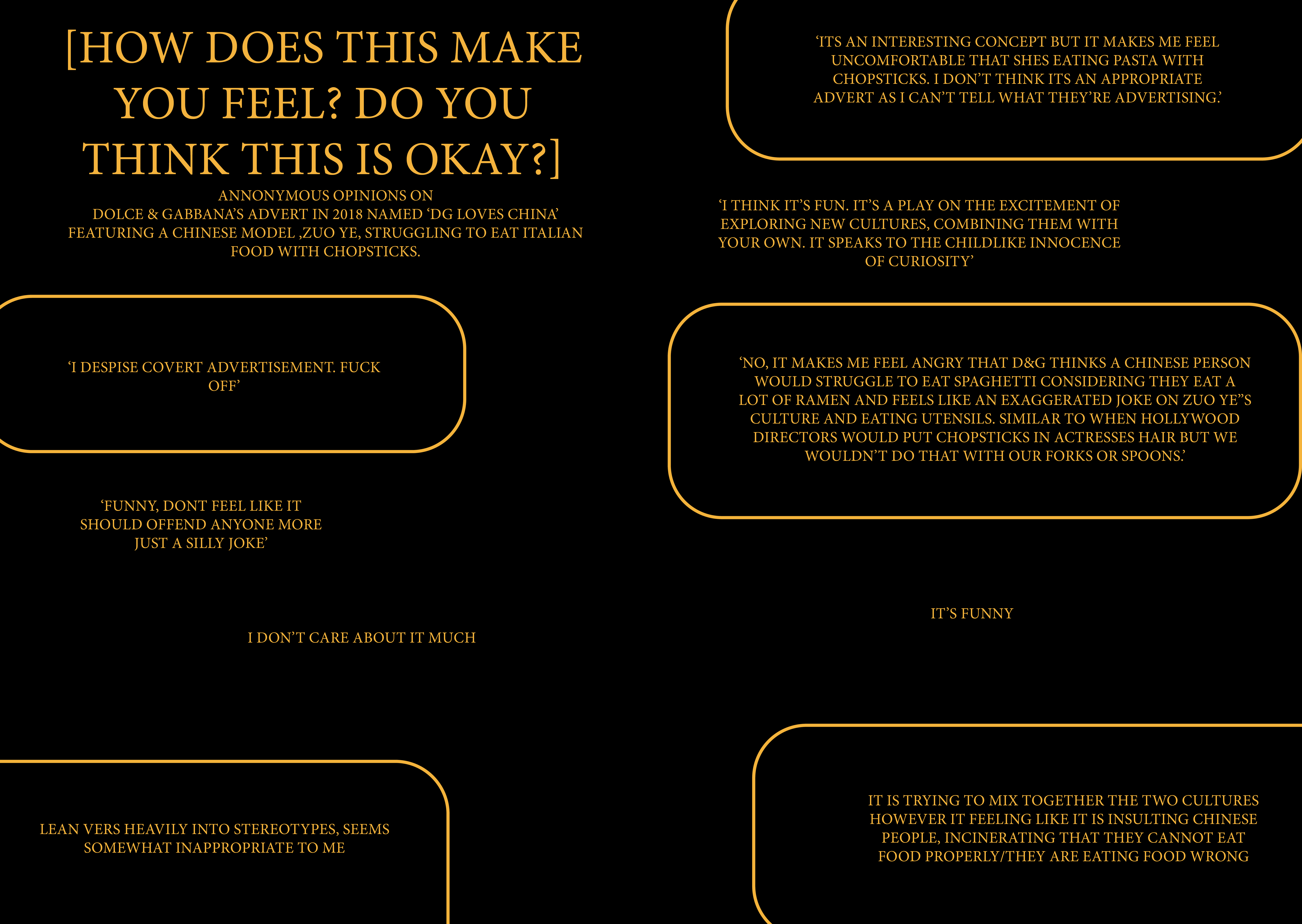
However, alongside expressions of pride, there were also instances of uncertainty, confusion, and criticism regarding cultural identity. Some individuals battled with questions of belonging, feeling disconnected or doubtful towards their cultural heritage. Others raised concerns about cultural stereotypes, appropriation, and the potential for cultural misunderstandings in advertising and media representations.
Overall, the responses underscore the complexity and fluidity of cultural identity, which can be influenced by a myriad of factors including ethnicity, upbringing, environment, and personal experiences. While culture plays a pivotal role in shaping individuals’ values, behaviours, and sense of belonging, it is essential to recognise and respect the diversity of perspectives and experiences within society.
In conclusion, the responses to the questionnaire highlight the importance of promoting cultural awareness, dialogue, and understanding in fostering a more inclusive and equitable world. Embracing cultural diversity and celebrating the richness of human experiences are essential steps towards building a more harmonious and interconnected global community.
That was the conclusion I wrote for the questioner and it’s also a good conclusion to make from the posters. Individuals are proud of their culture and value the way others view it and how it is represented in marketing.

Part Two
How I see my culture
Part Two
The Documentary
Conclusion

The Documentary
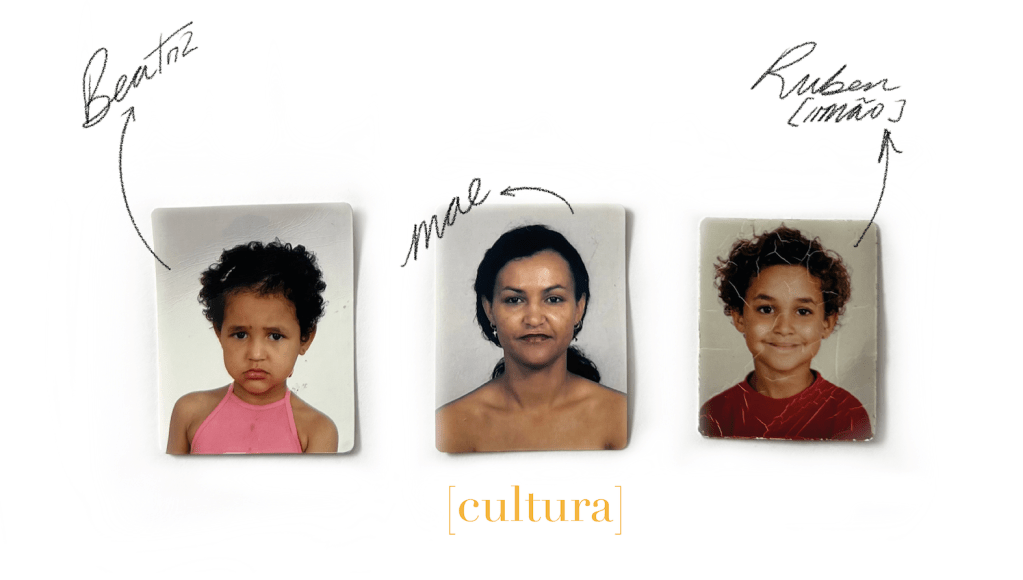
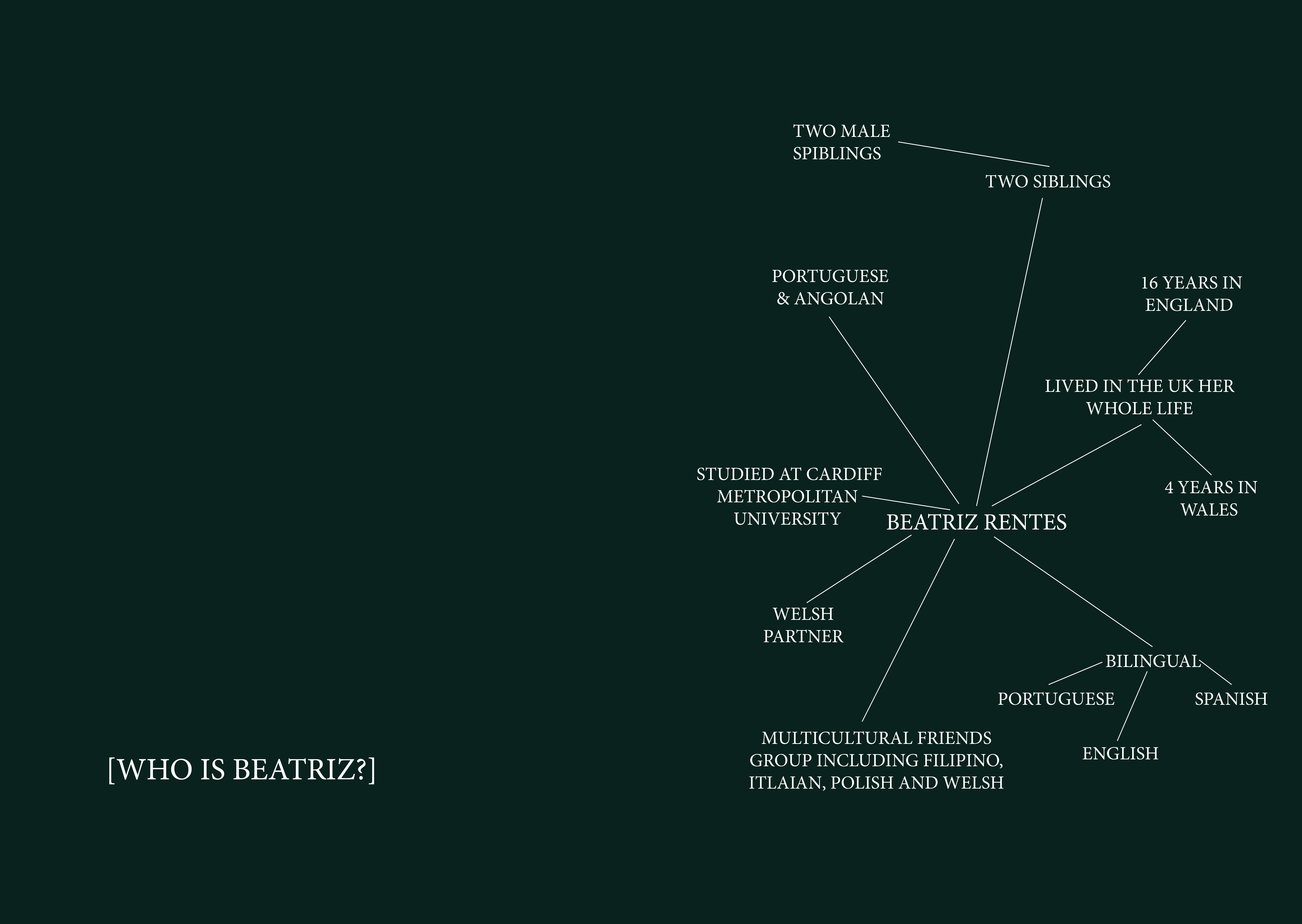
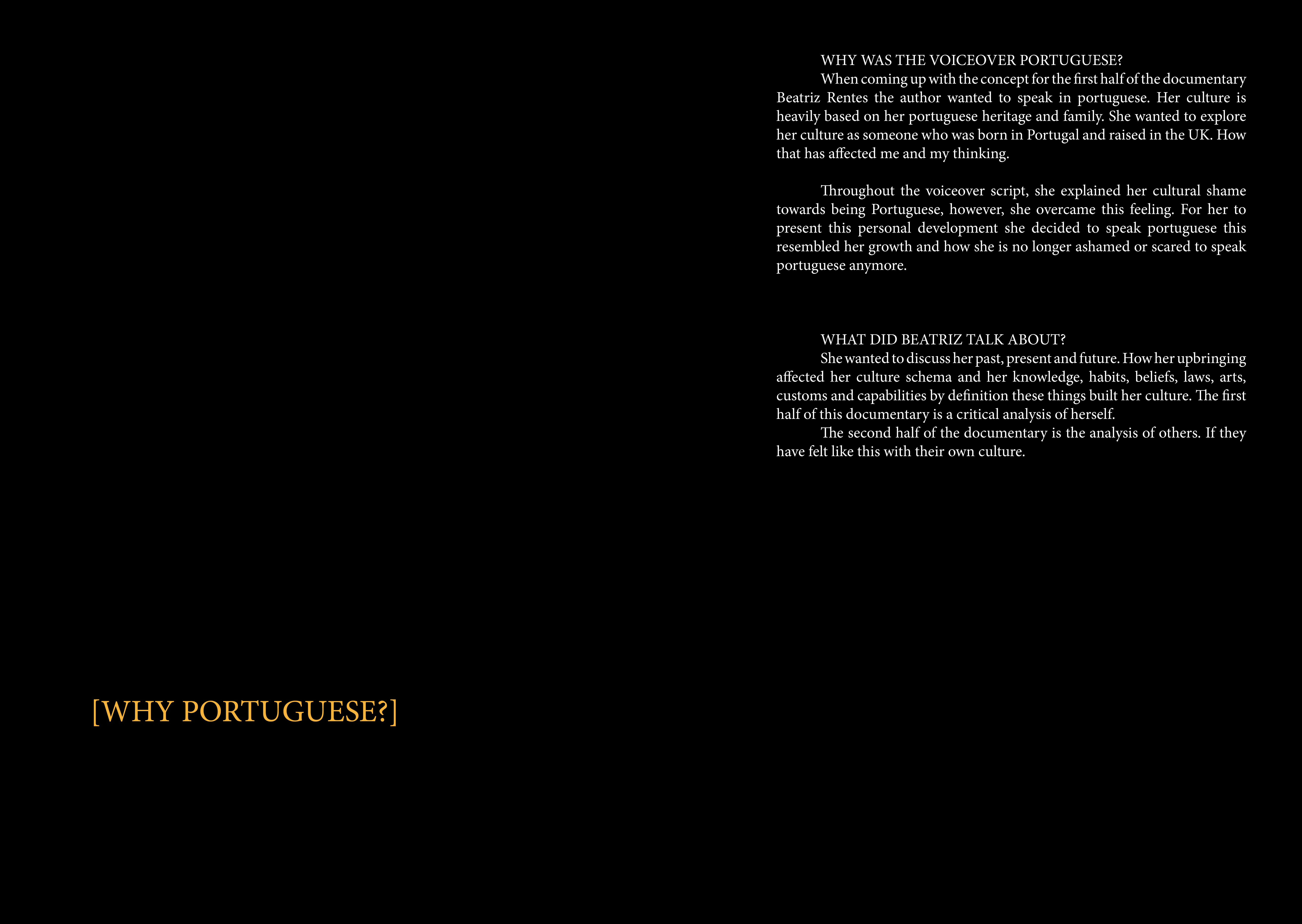
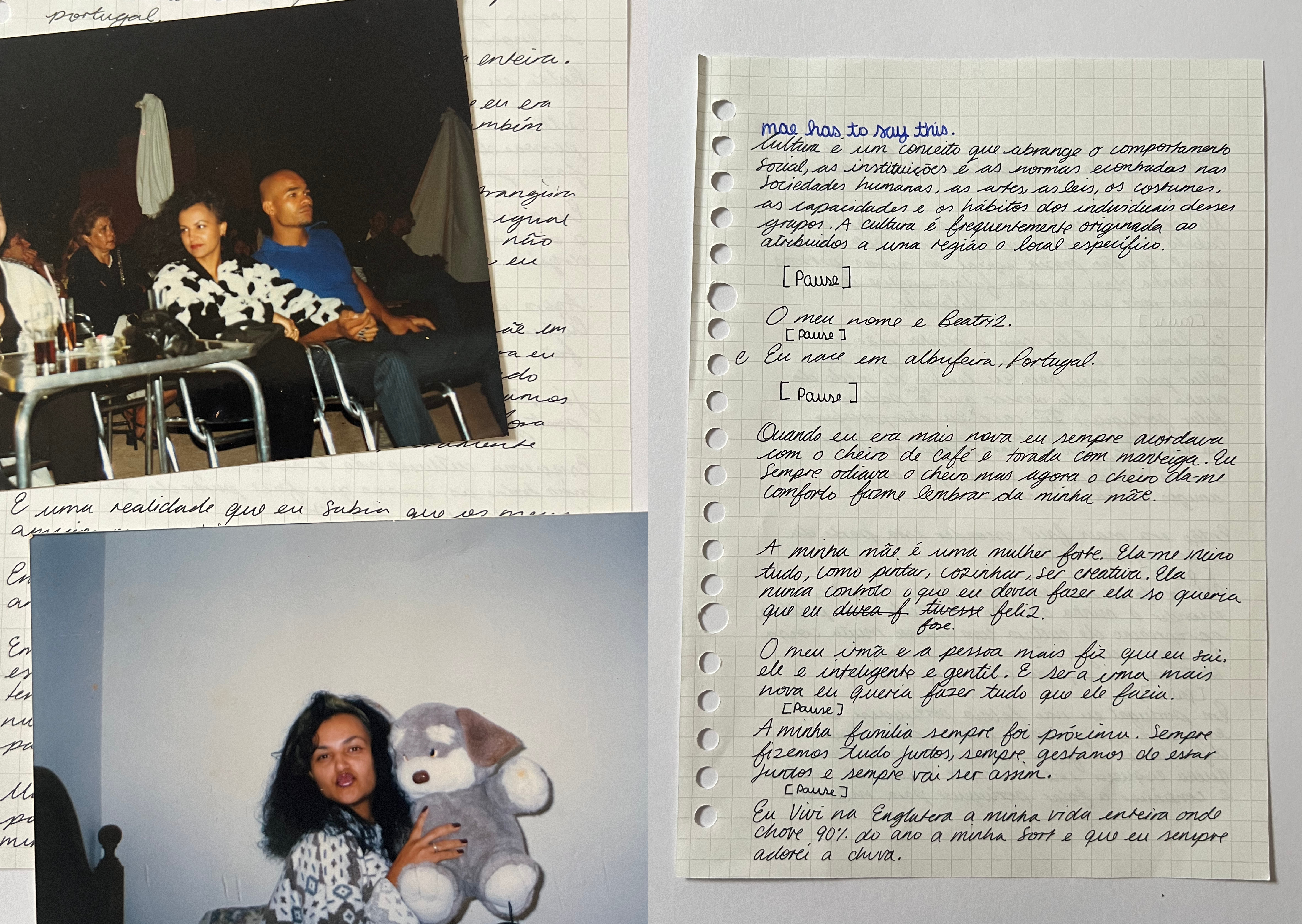
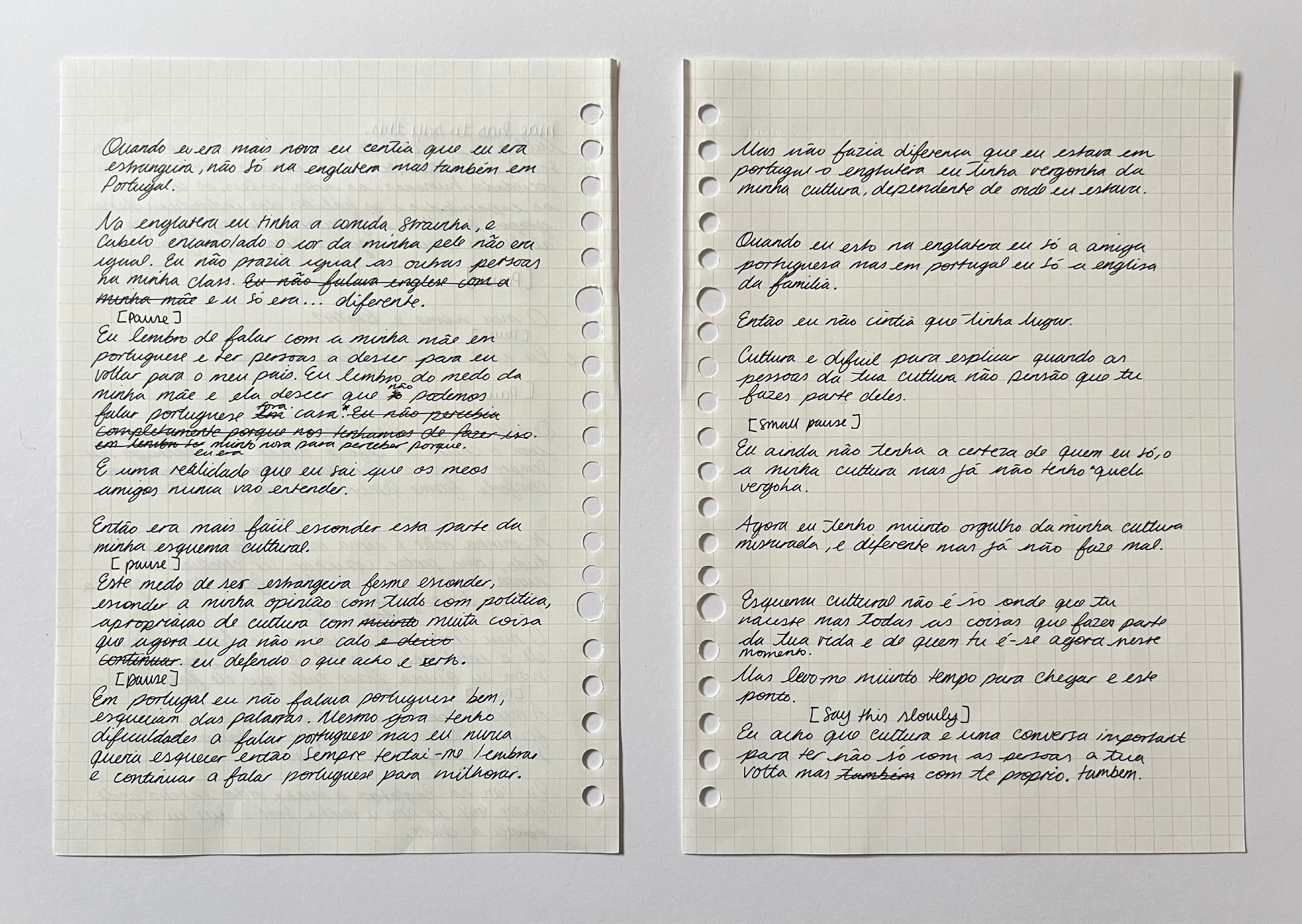
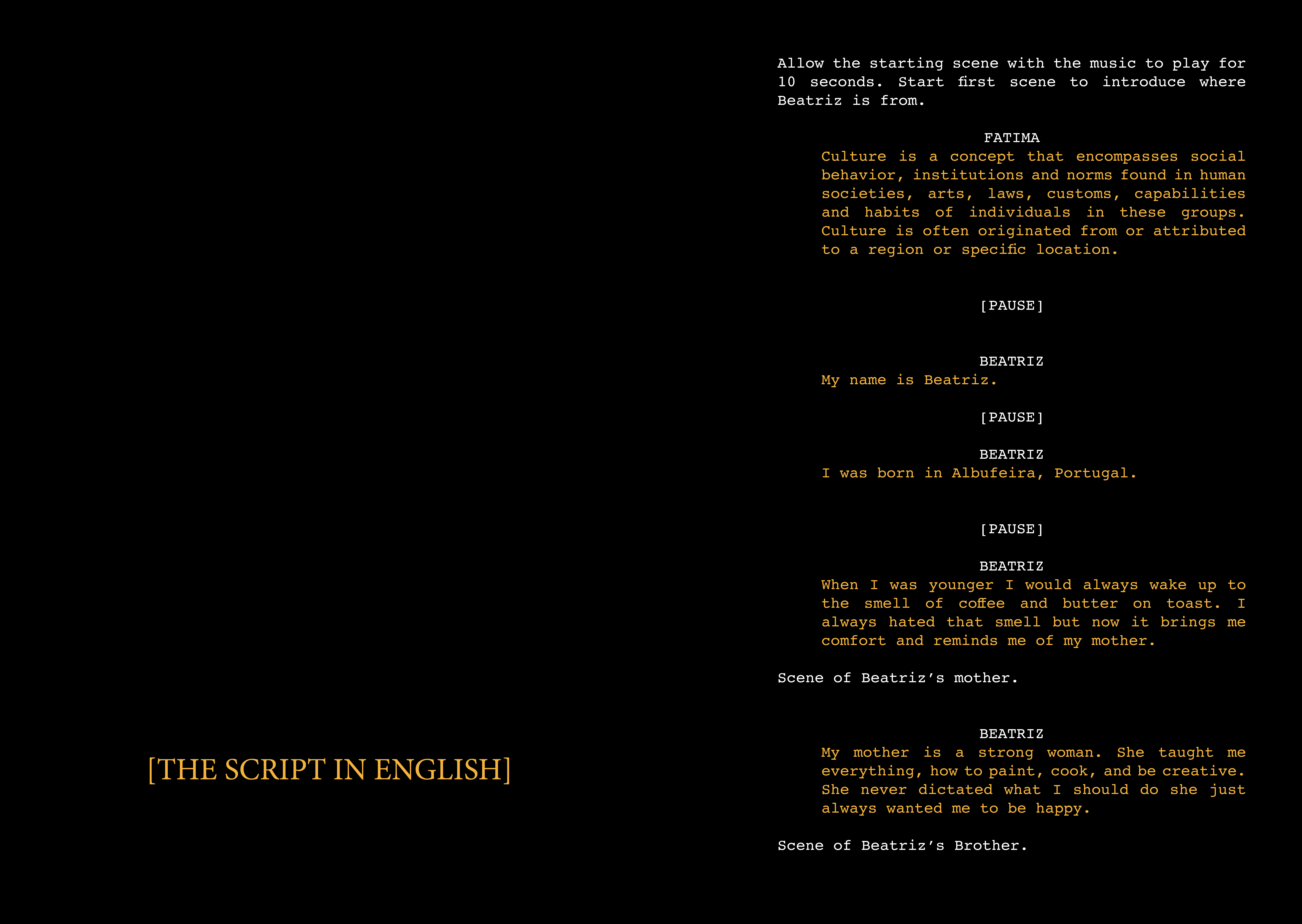
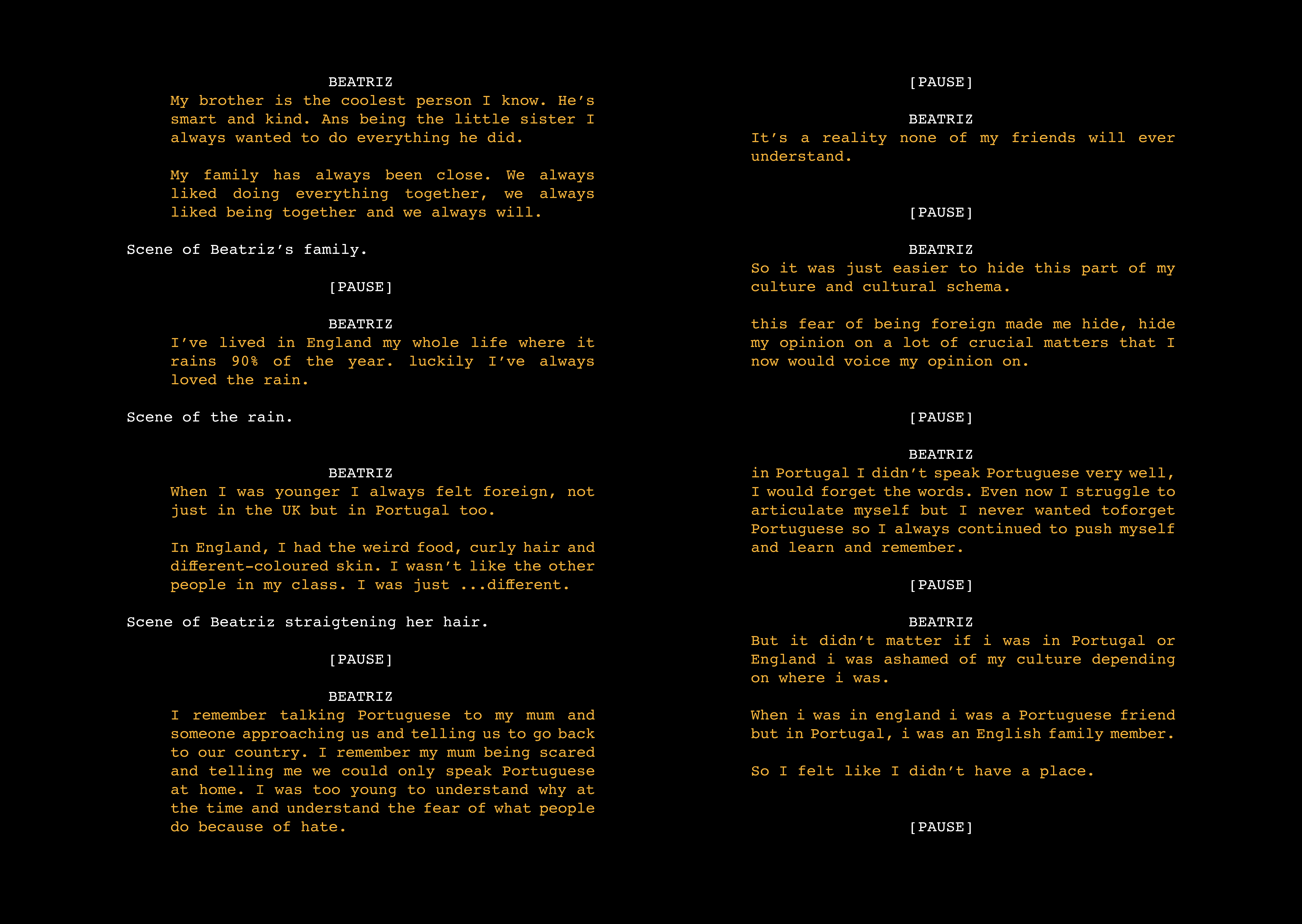
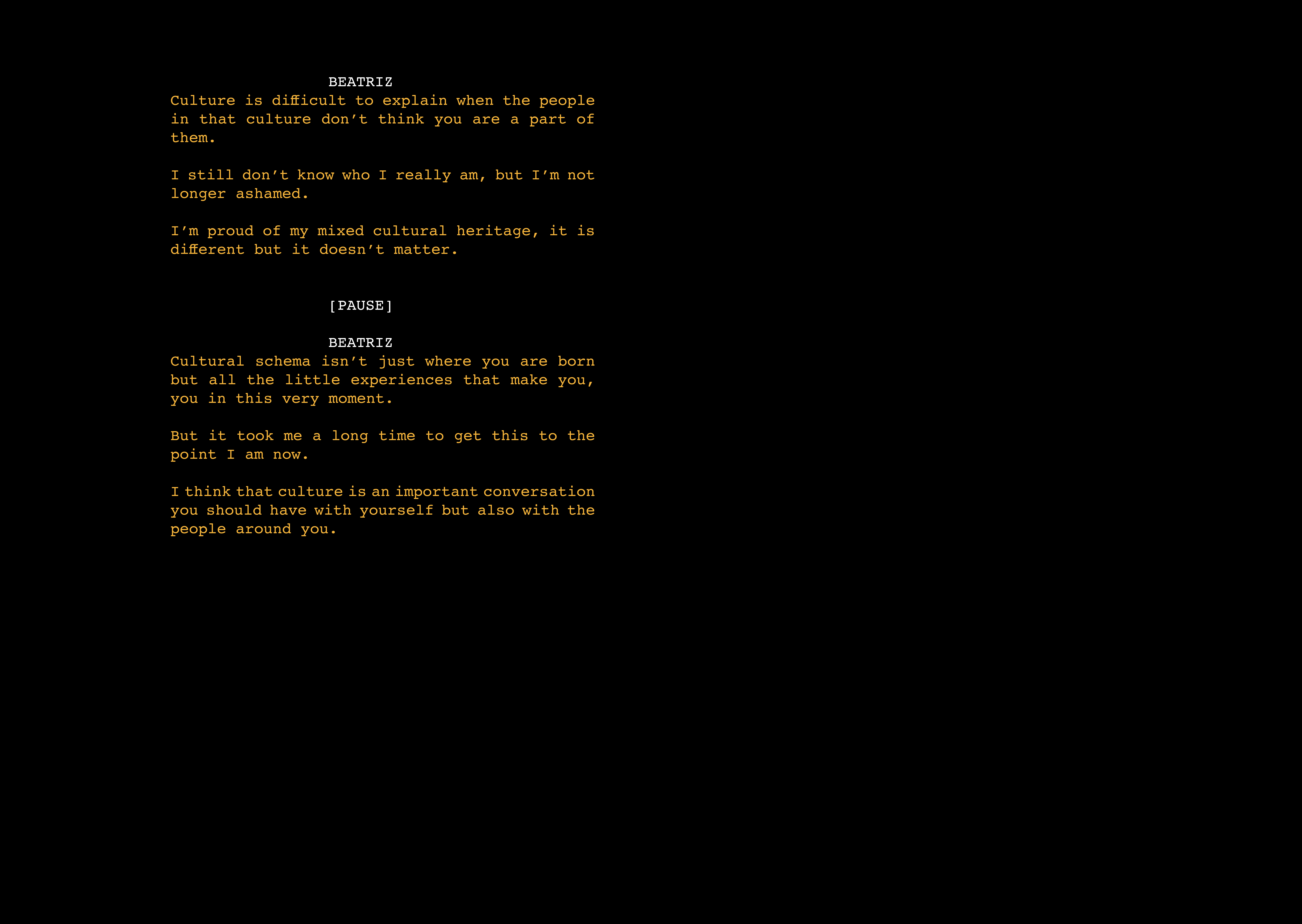
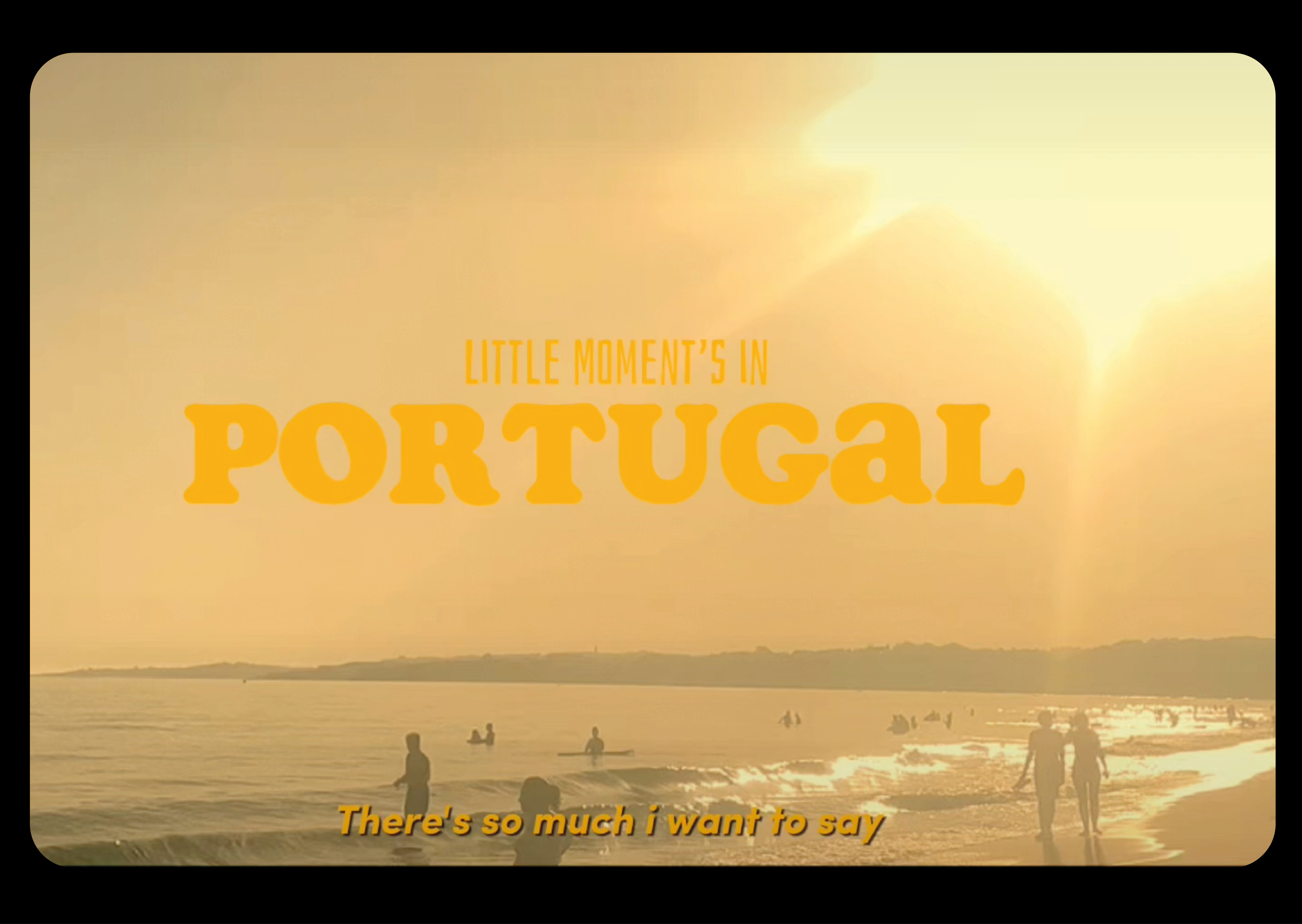
The second part of my project was My Documentary. I explore my struggles as a non-native in the UK and delve into my cultural background, where various psychological concepts play vital roles in shaping my narrative. Culture is a mixture of beliefs, customs, and behaviours shared by a group, and forms the base against which my experiences unfold. Cultural schemas, the mental frameworks through which I interpret my world, influence my perceptions, reactions, and interactions within British society. Cross-cultural psychology helps me examine the intersections and disparities between my native culture and the host culture, shedding light on the challenges I encounter and the adaptations I underwent. Epigenetics, the study of how environmental factors interact with genetic expression, informs my exploration of identity. Memories, both explicit and implicit, weave the threads of my narrative, encompassing episodic recollections of specific events and tacit knowledge acquired through lived experiences. My documentary is not only a visual chronicle of my journey but also a reflection on the intricate interplay between my psychology and cultural dynamics in the immigrant experience.
1/3 of the people in the world migrate to another country each year. i found that it would be valuable to provide insight into what its like to be a immigrate in another country and the cultural confusion that someone can experience.
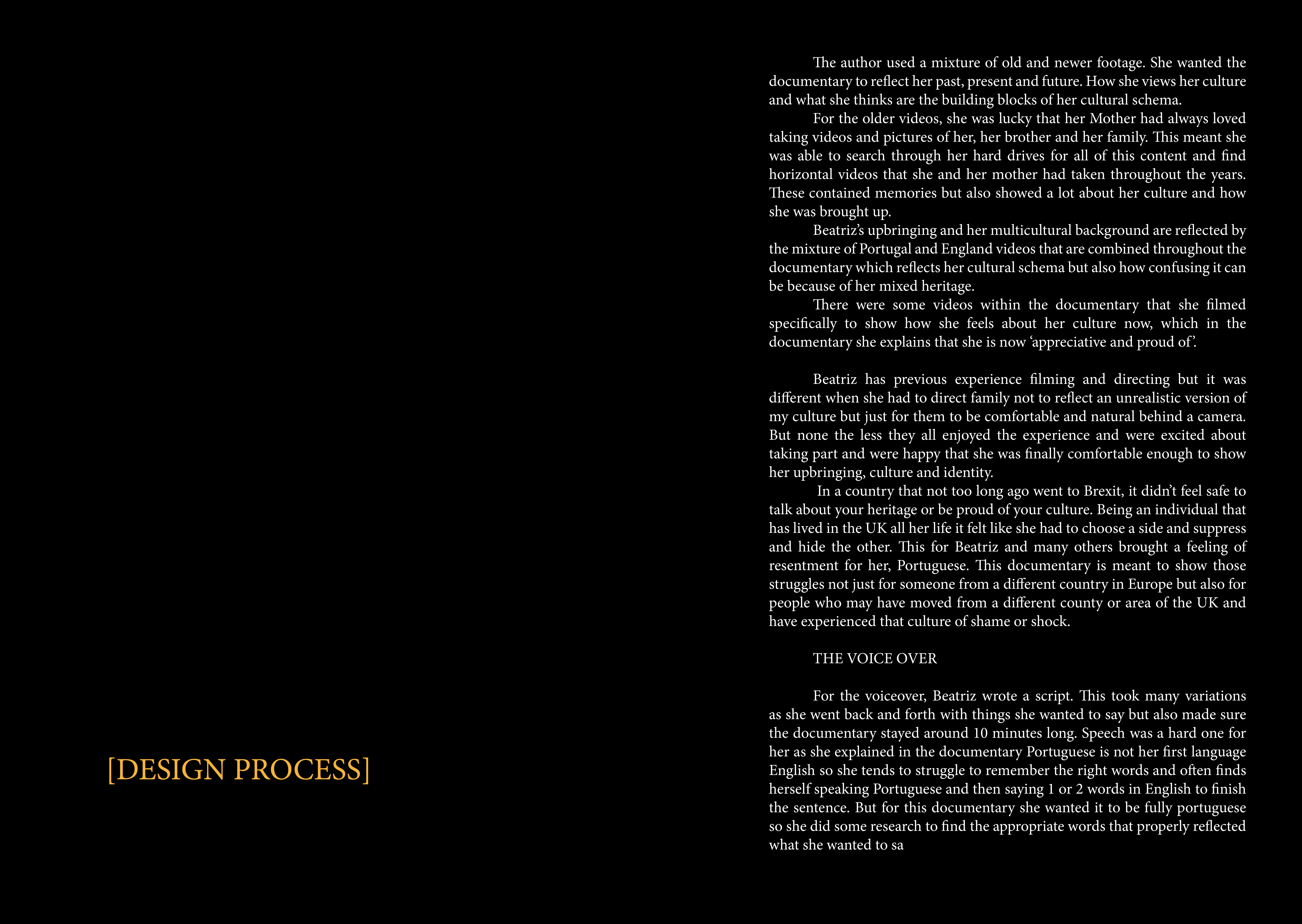
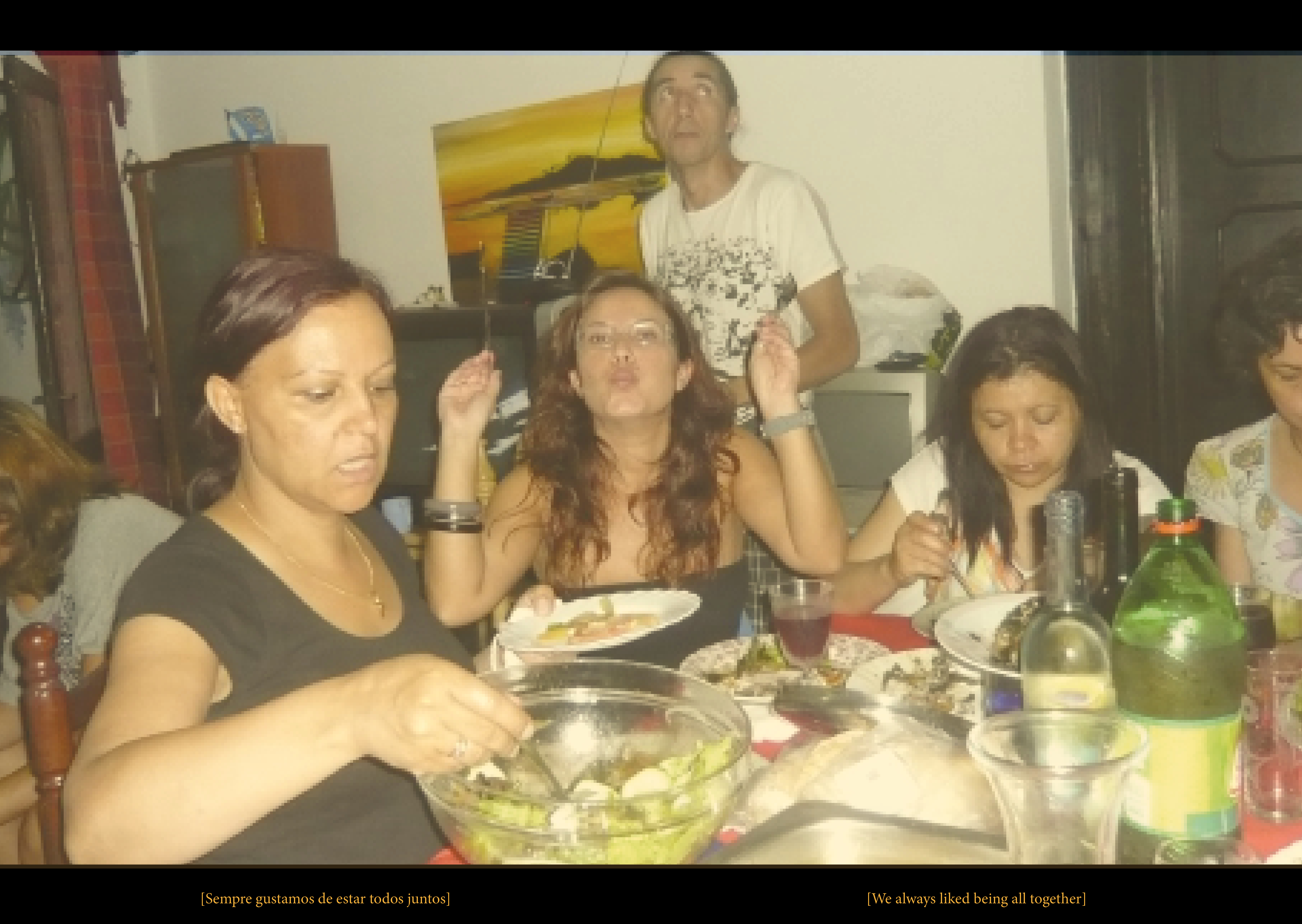
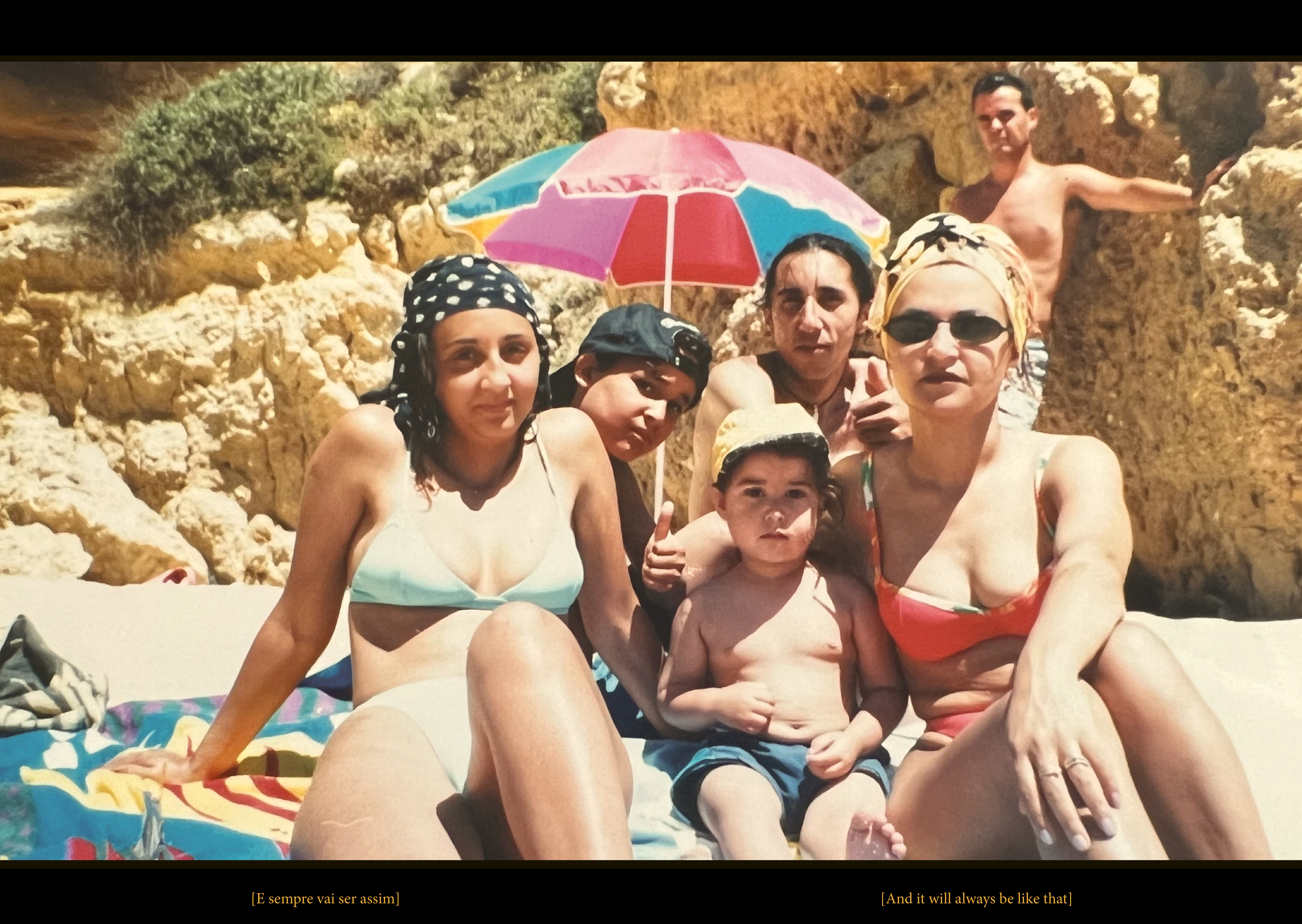
In the documentary i discuss my past and person. How my upbringing affected my culture schema.
Do individuals value their culture? This is the question i started with
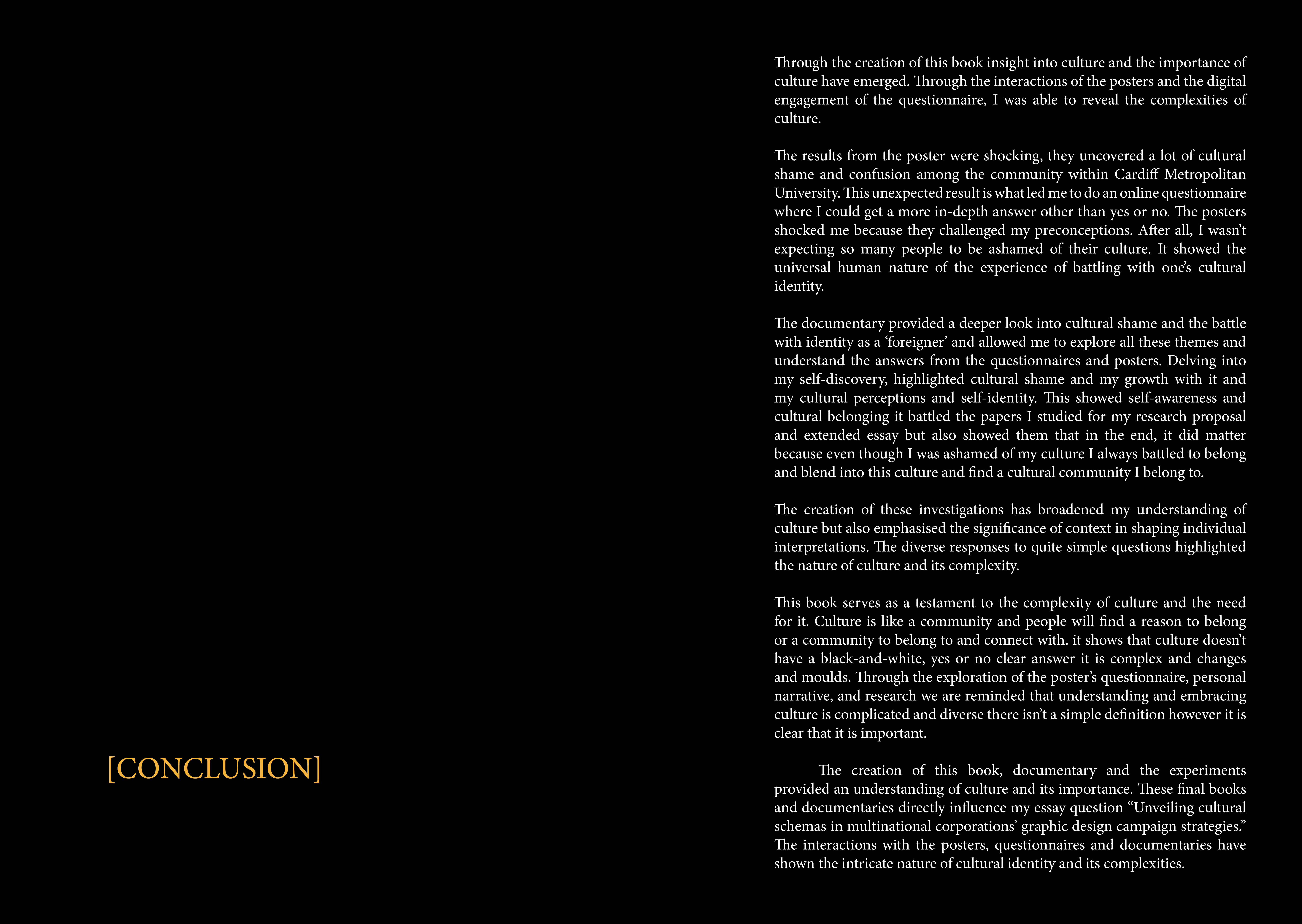
Through the creation of my book insight into culture and the importance of culture have emerged. Through the interactions of the posters and the digital engagement of the questionnaire, I was able to reveal the complexities of culture.
The results from the poster were shocking, they uncovered a lot of cultural shame and confusion among the community within Cardiff Metropolitan University. This unexpected result is what led me to do an online questionnaire where I could get a more in-depth answer other than yes or no. The posters shocked me because they challenged my preconceptions. After all, I wasn’t expecting so many people to be ashamed of their culture. It showed the universal human nature of the experience of battling with one’s cultural identity.
The documentary provided a deeper look into cultural shame and the battle with identity as a ‘foreigner’ and allowed me to explore all these themes and understand the answers from the questionnaires and posters. Delving into my self-discovery, highlighted cultural shame and my growth with it and my cultural perceptions and self-identity. This showed self-awareness and cultural belonging. it battled the papers I studied for my research proposal and extended essay but also showed them that in the end, it did matter because even though I was ashamed of my culture I always battled to belong and blend into a culture and find a cultural community I belong to.
Through these investigations i conluded that yes individuals value their culture.
The creation of these investigations has broadened my understanding of culture but also emphasised the significance of context in shaping individual interpretations. The diverse responses to quite simple questions highlighted the nature of culture and its complexity.

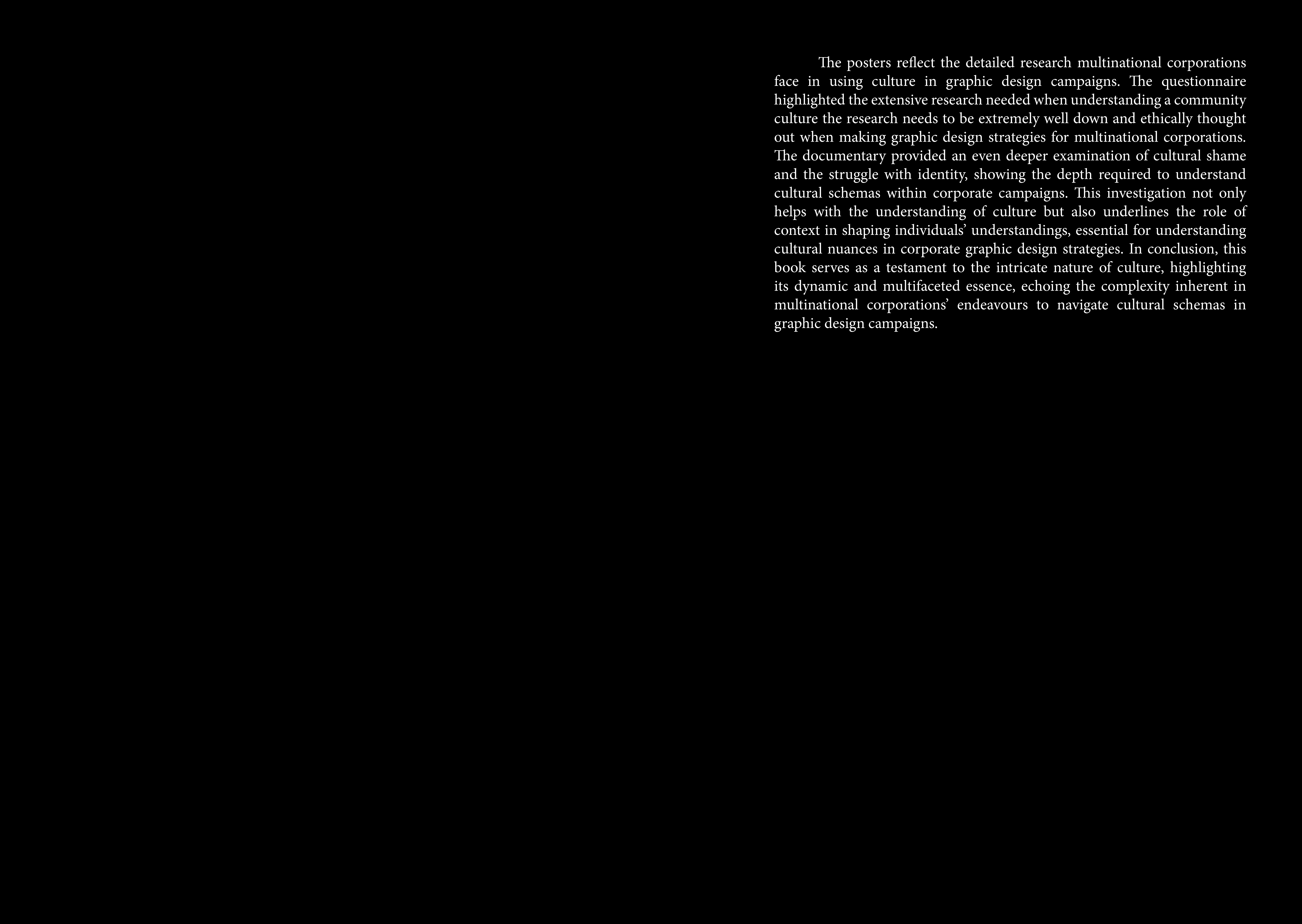
The posters reflect the detailed research multinational corporations face in using culture in graphic design campaigns. The questionnaire highlighted the extensive research needed when understanding a communitys culture the research needs to be extremely well down and ethically thought out when making graphic design strategies for multinational corporations. The documentary provided an even deeper examination of cultural shame and the struggle with identity, showing the depth required to understand cultural schemas within corporate campaigns. This investigation not only helps with the understanding of culture but also underlines the role of context in shaping individuals’ understandings, essential for understanding cultural nuances in corporate graphic design strategies. In conclusion, my project serves as a testament to the intricate nature of culture, highlighting its dynamic and multifaceted essence, echoing the complexity inherent in multinational corporations’ endeavours to navigate cultural schemas in graphic design campaigns.
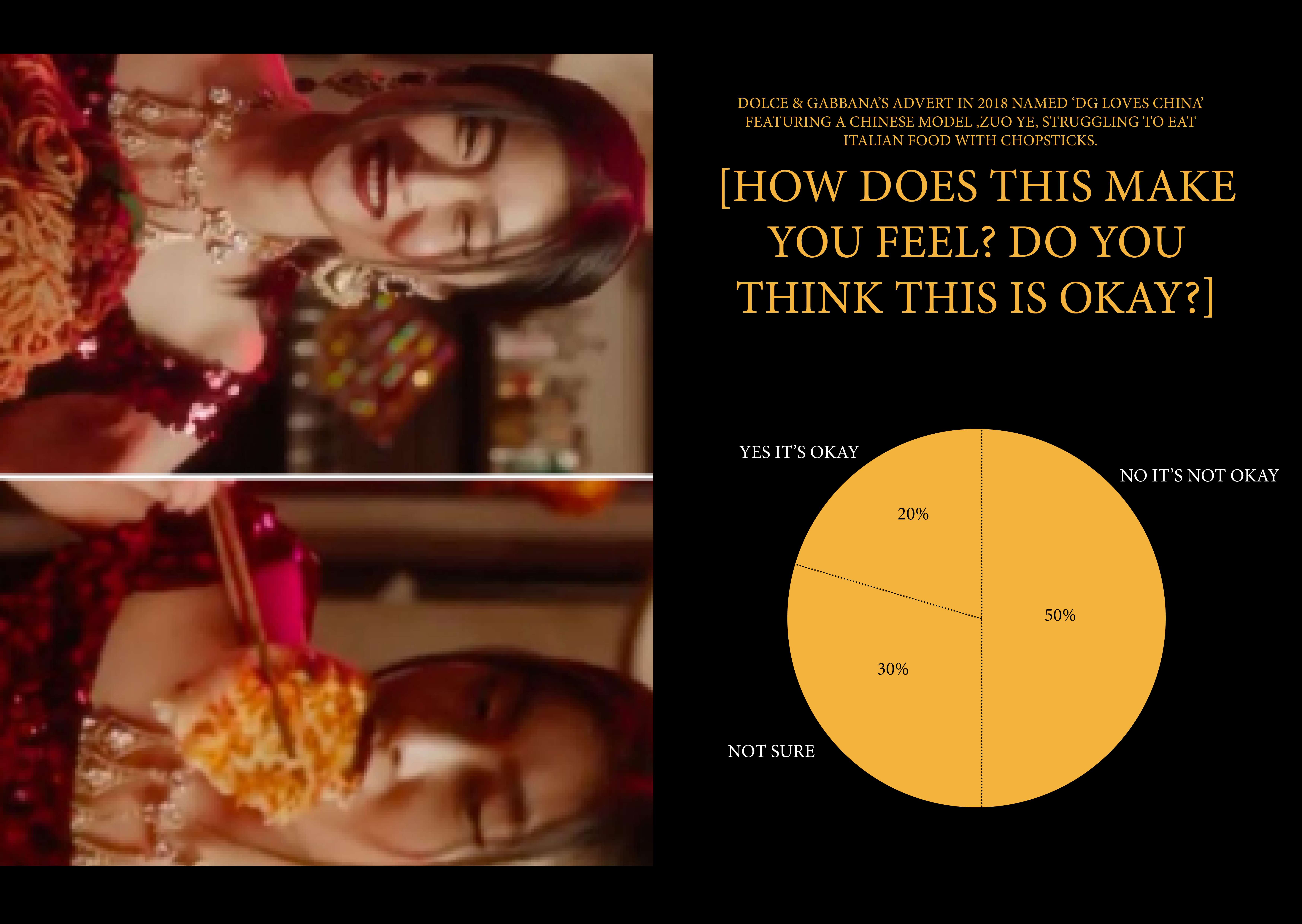
Even though everyone’s definition of culture and their own culture was fairly different and even drastically different that didn’t matter because one thing was the same culture is important. Asking someone if their culture is important was almost like me asking someone if they were important. I came into this experimentation with a very black-and-white dictionary perception of culture and realised that, that’s not what people think culture is. Culture is so intertwined with an individual’s identity and being that it felt silly even to question it. I answered my question that yes culture is important. However, it highlighted the importance of having an open-minded perception of culture, as a graphic designer I shouldn’t think about designing for a country but for the people. An example is the Dolce and Gabbana advert, they used stereotypical aspects of two countries and combined them thinking that they were bringing two countries together but rather they just offended a lot of people from those cultures. That’s the issue with a lot of marketing strategies used by graphic designers, is the superficial research used in campaigns for a global market.
This is what I wanted my research to highlight. Due to the global reach of campaigns in today’s market, we must research and understand other cultures when designing. We are no longer marketing to one specific country where a lot of people won’t understand the issue with some culturally insensitive imagery being used. With such diverse communities even just within Cardiff Metropolitan University, we must understand how influential and easily accessed our work can be. So we need to be more ethical and well research designers.
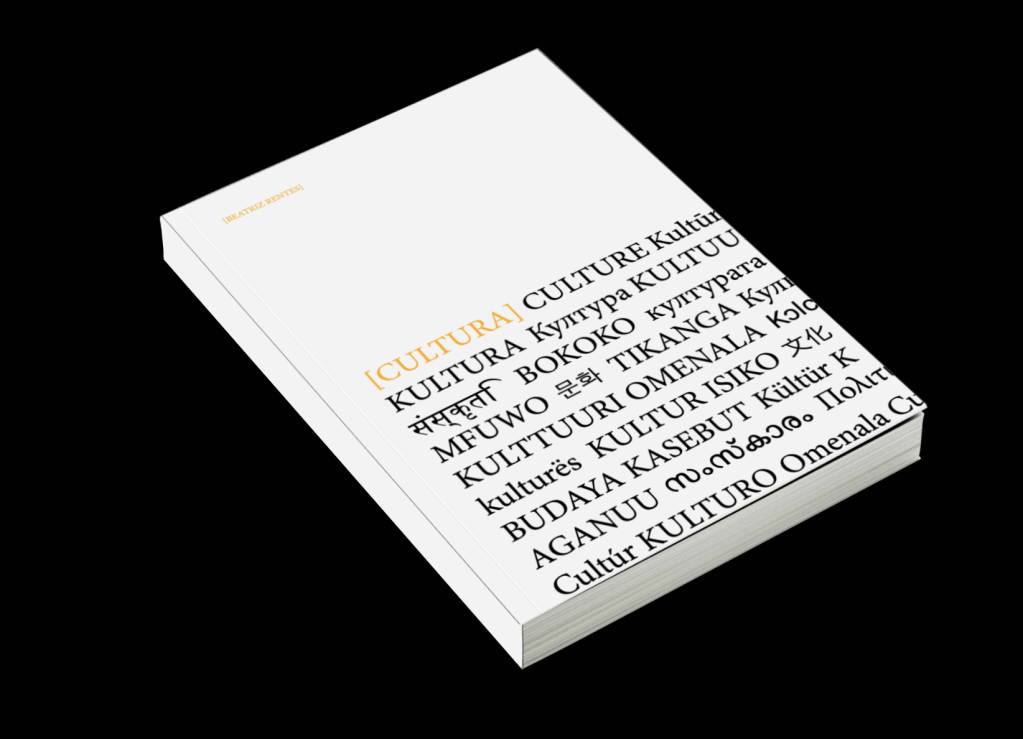
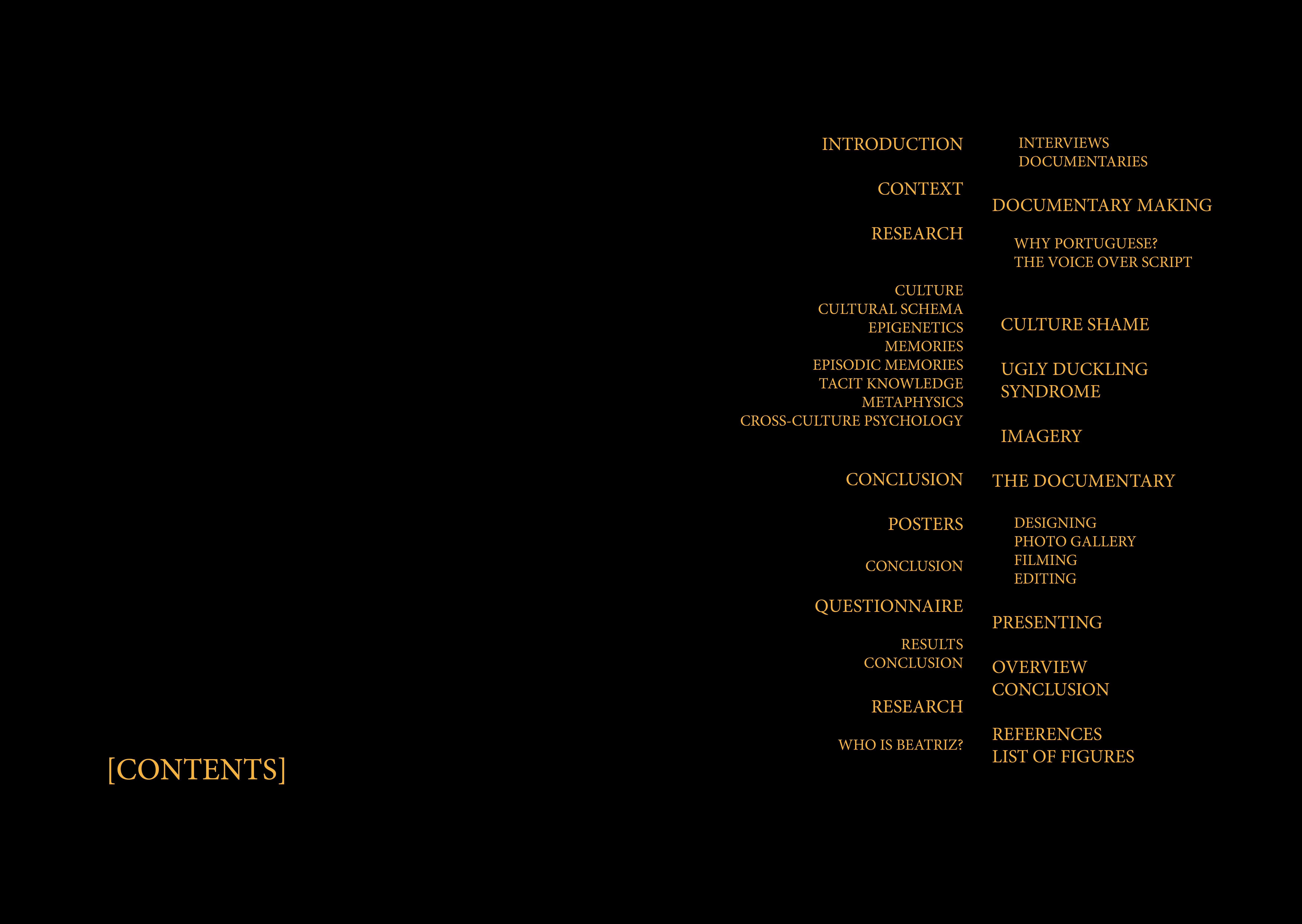
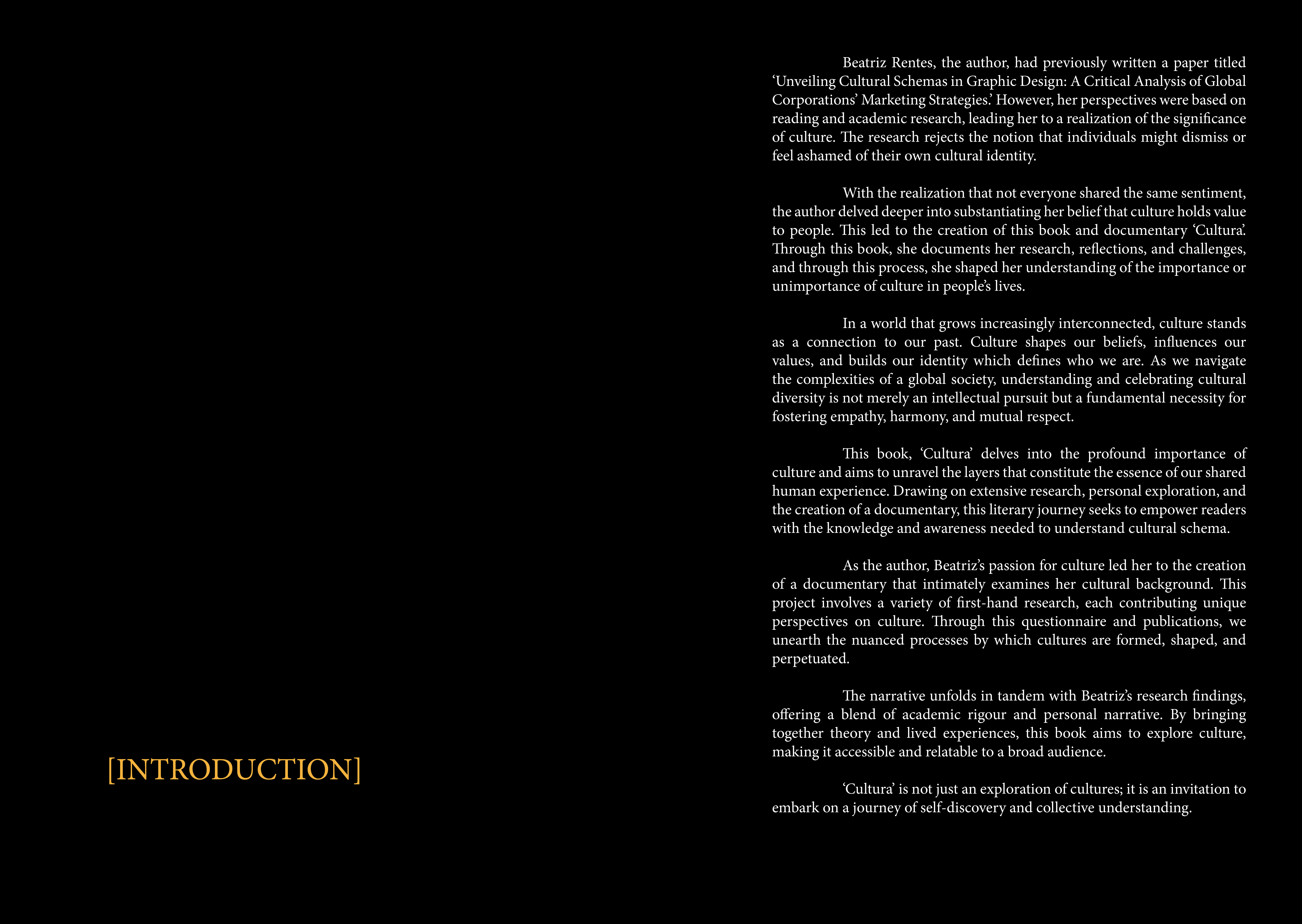
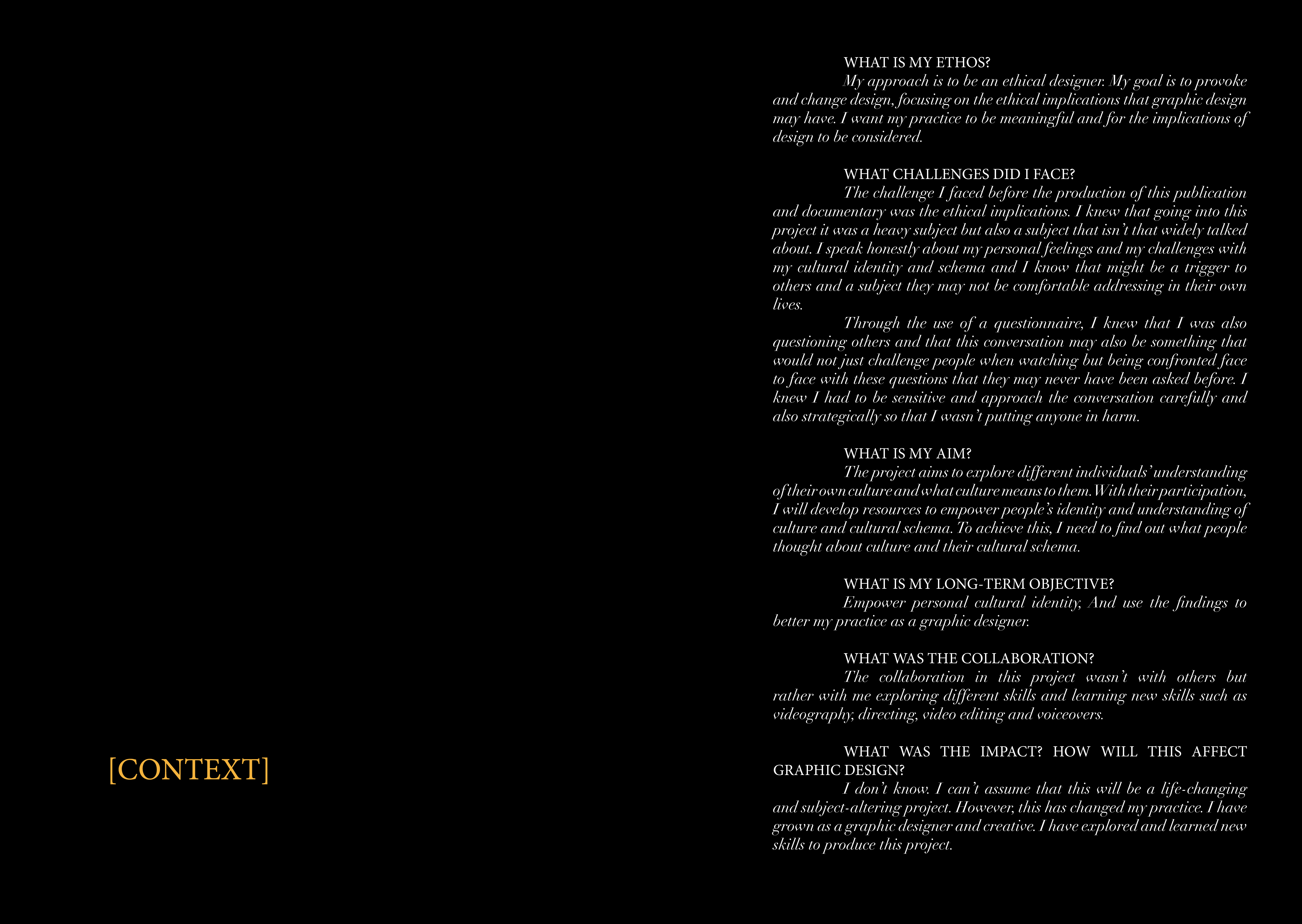
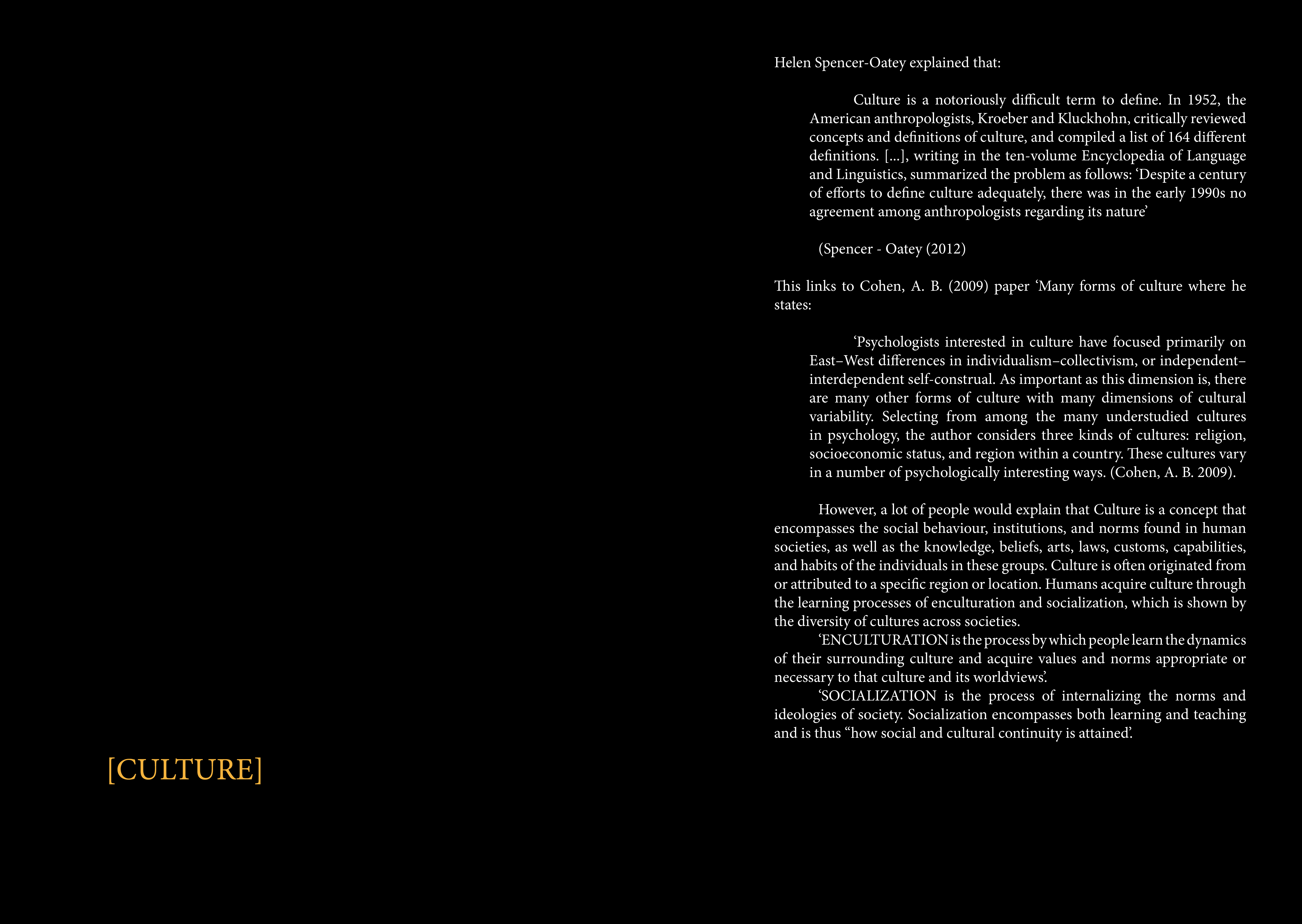
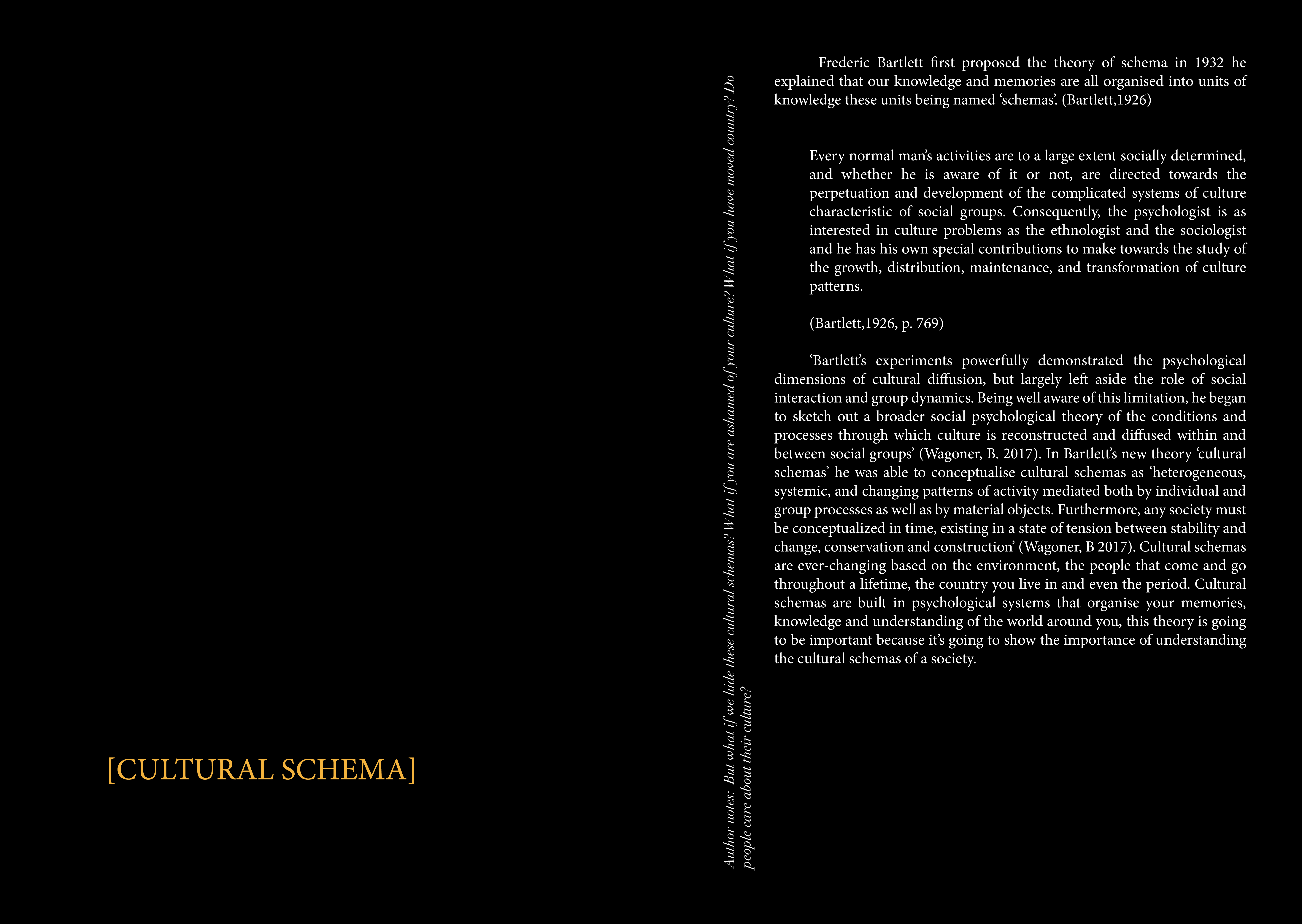
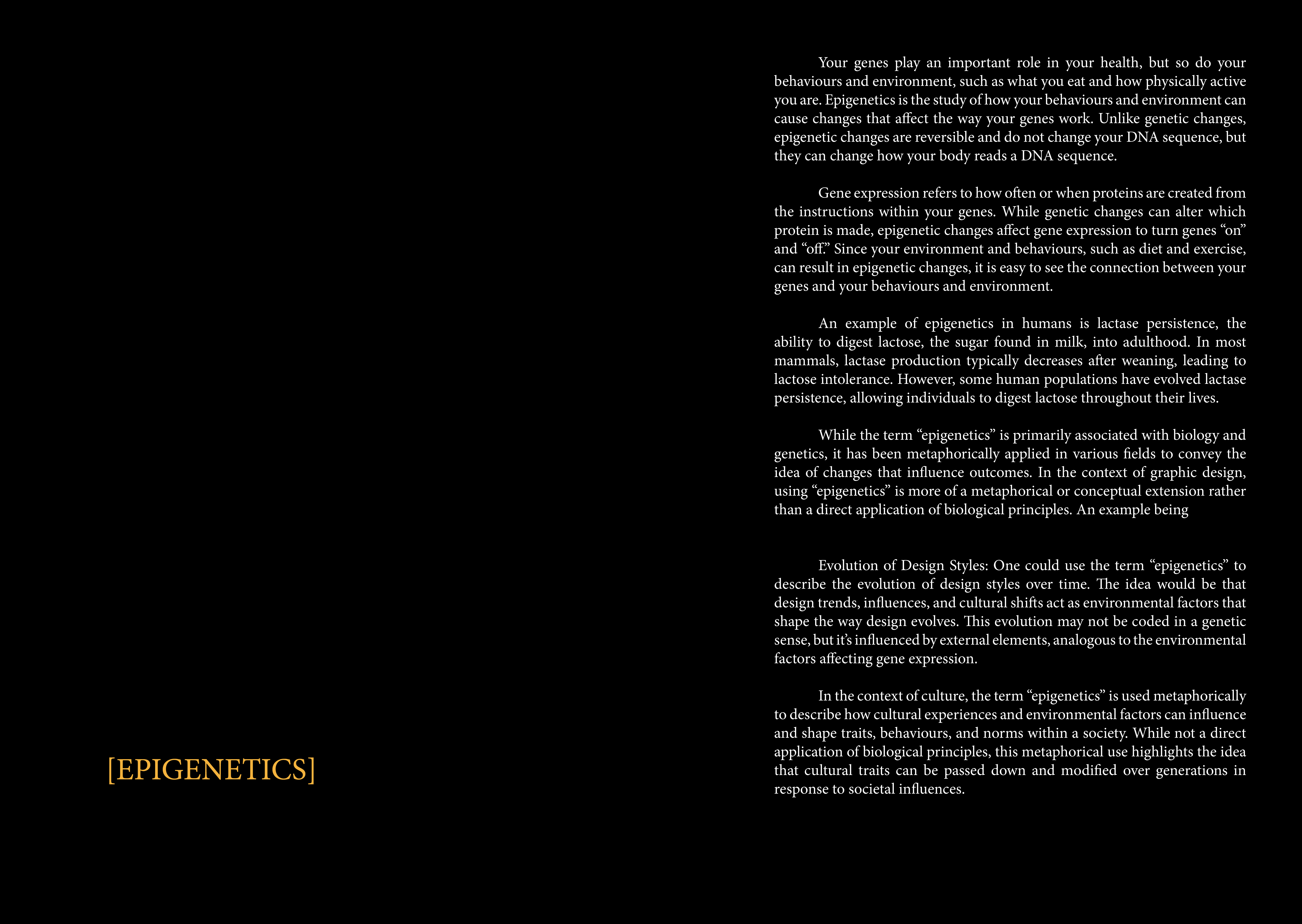
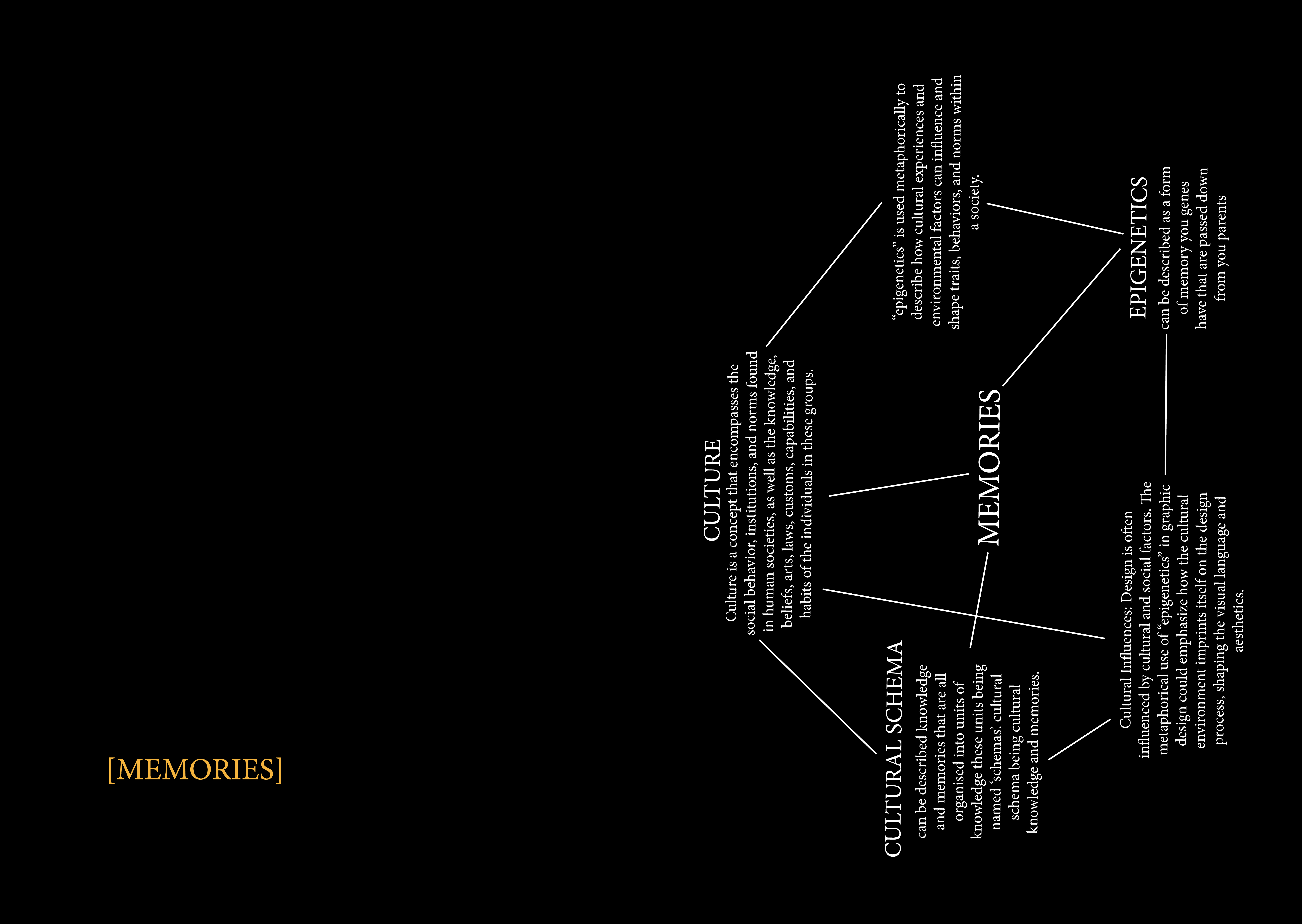
Cultura Book
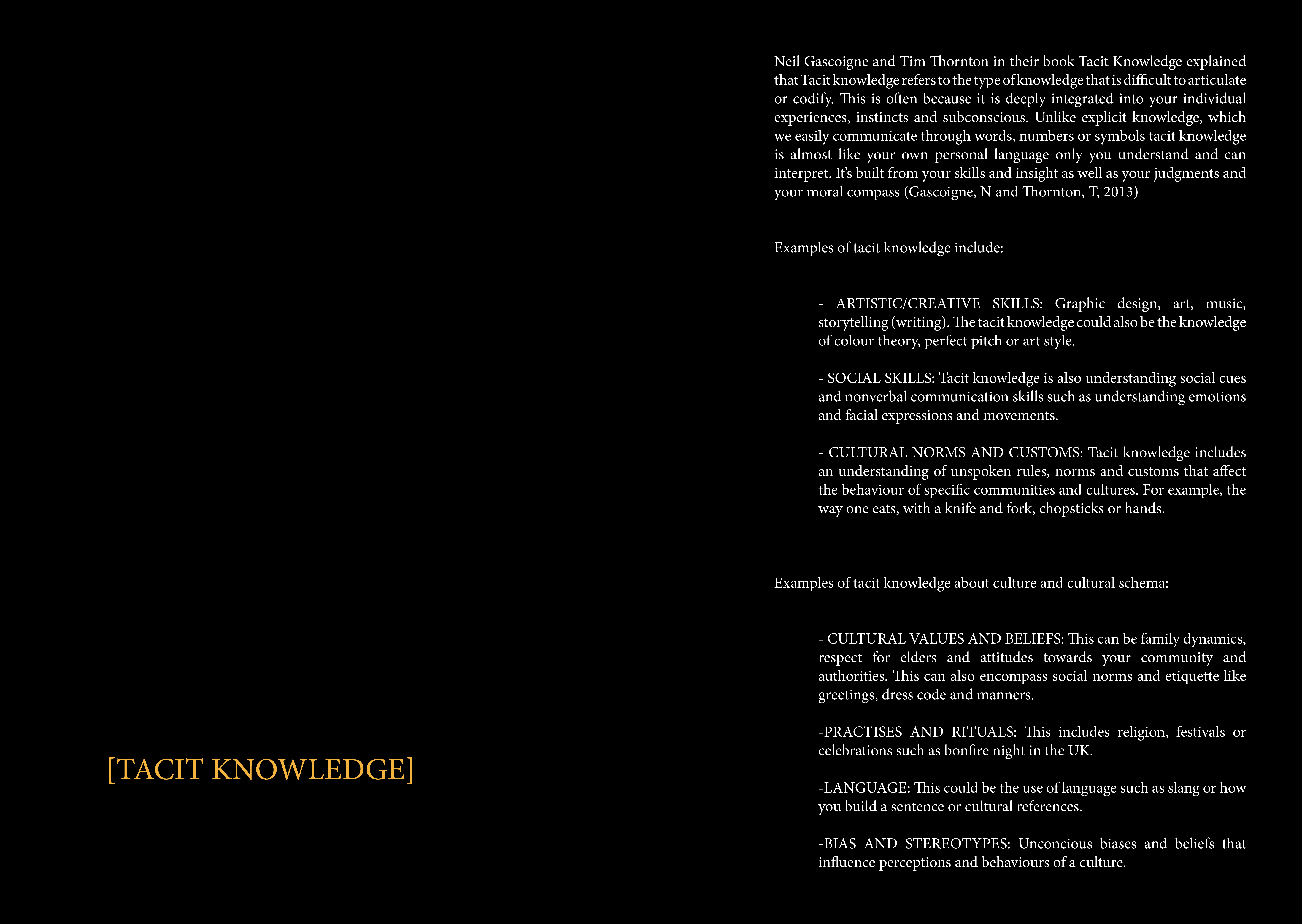
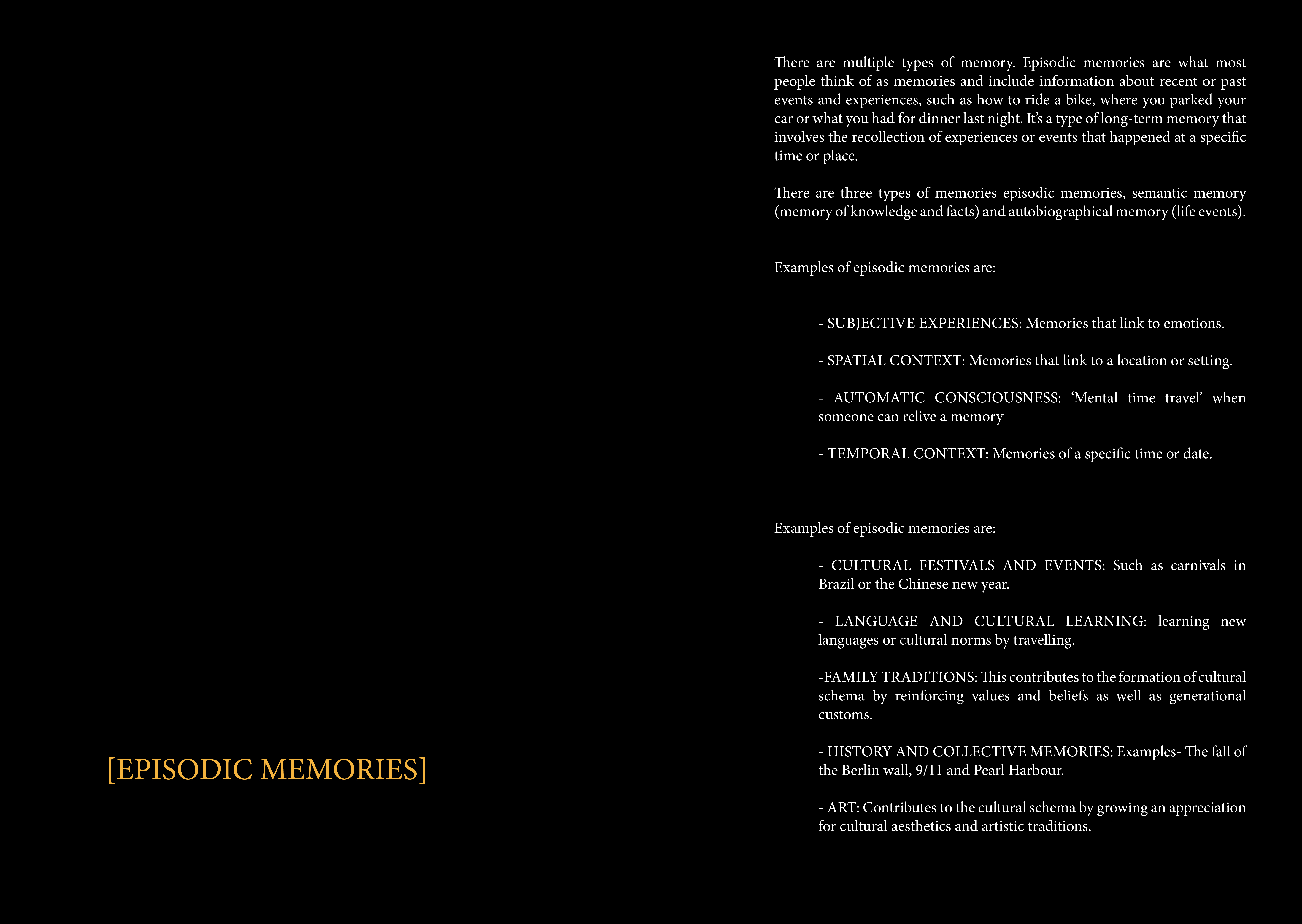
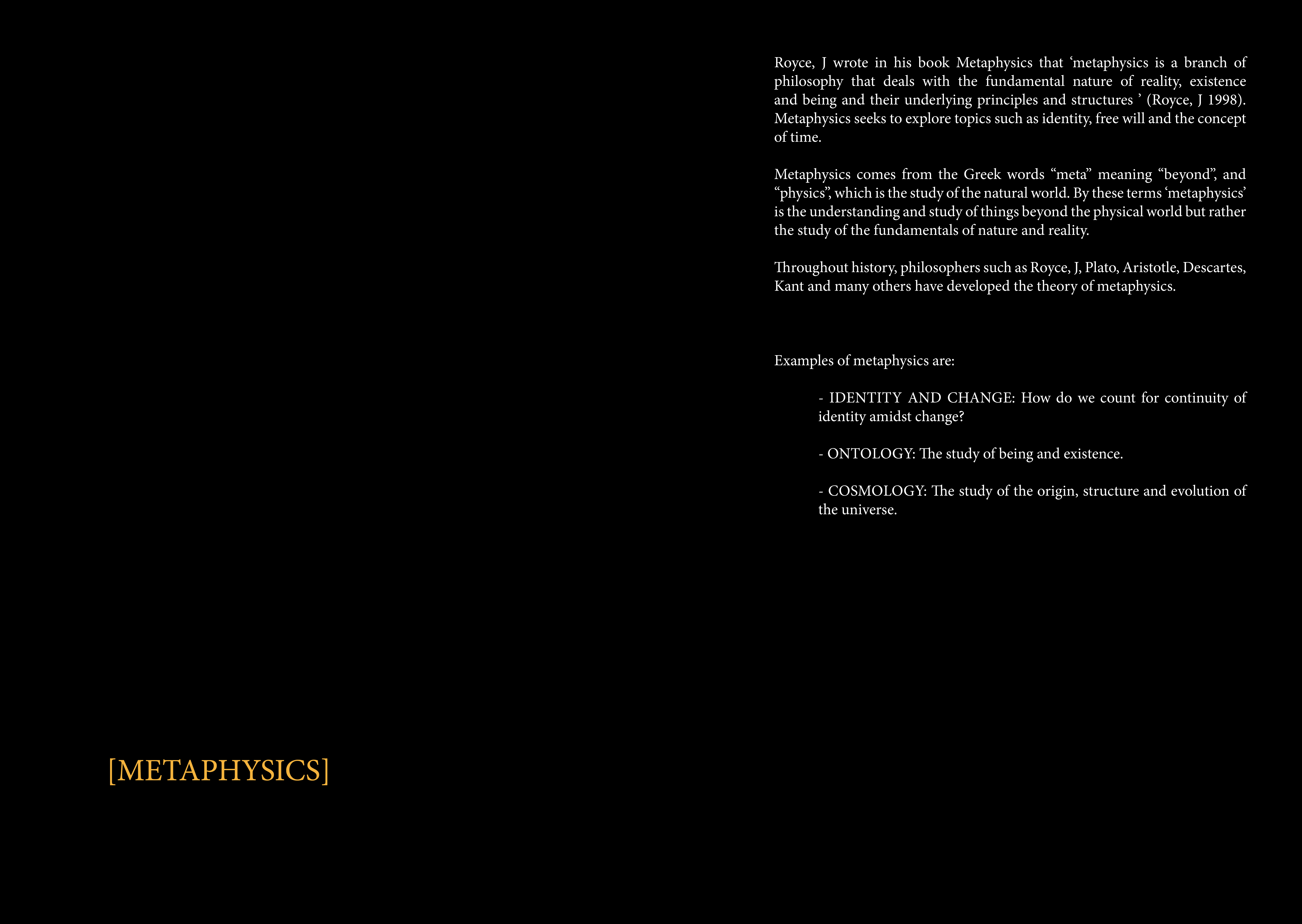
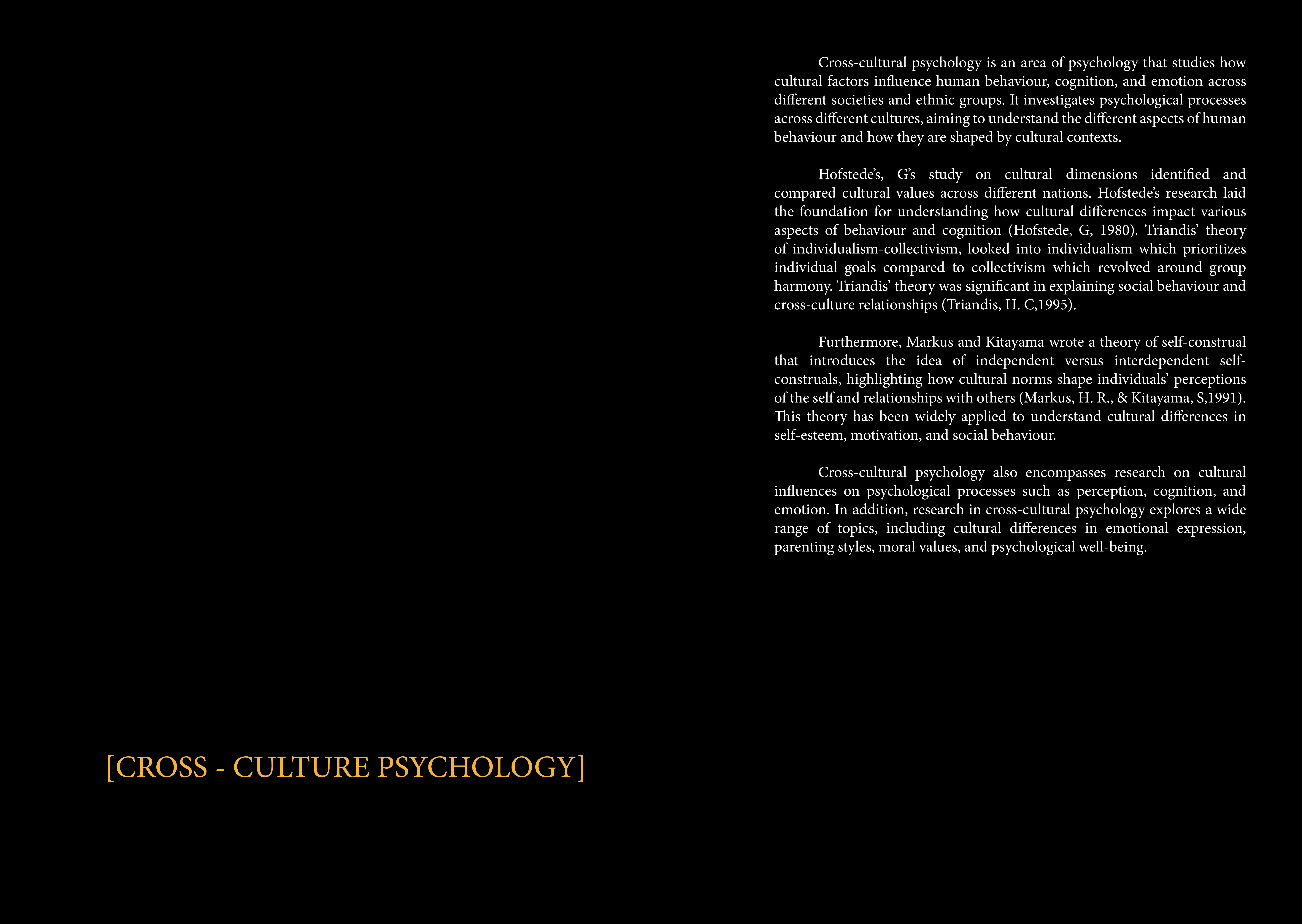
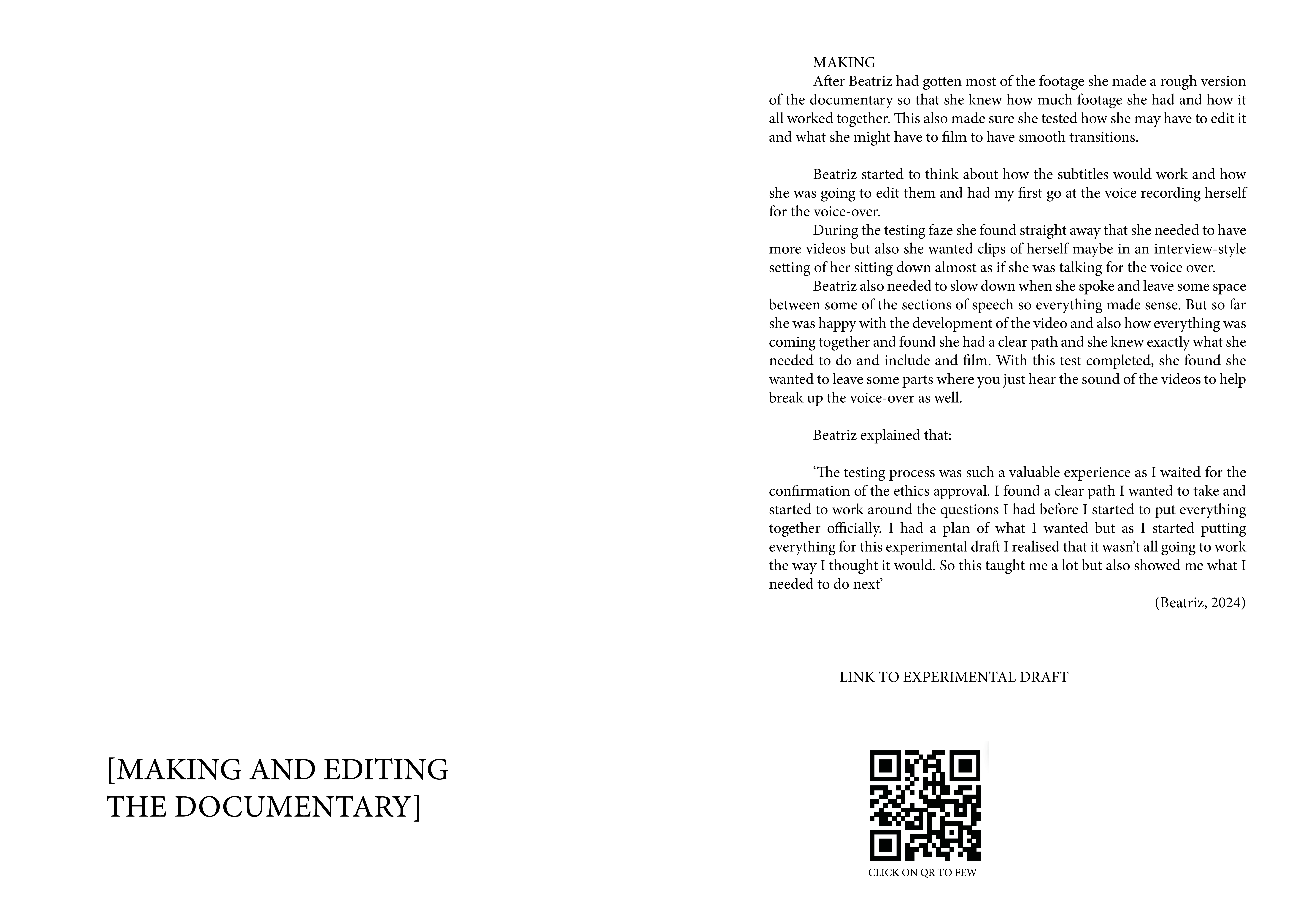
Cultura is the book that encompasses all my research, visuals and design process.
You can see it below.







 Beatriz Rentes